

When temperatures drop, we reach again for duvets, pillows and winter jackets filled with down and feathers. Few materials provide so much warmth at such a low weight. Down is natural, breathable and highly effective at retaining heat, but that is also why it requires more careful care.
Many people hesitate to wash down-filled items because they are afraid of damaging them. Improper washing and, even more often, improper drying can lead to clumping, loss of loft and reduced thermal insulation.
With the right approach, down can be washed successfully and refreshed without damaging its structure. The most important thing is not to rush and to check the manufacturer’s care instructions for the specific item before you begin.
Why is down so delicate?
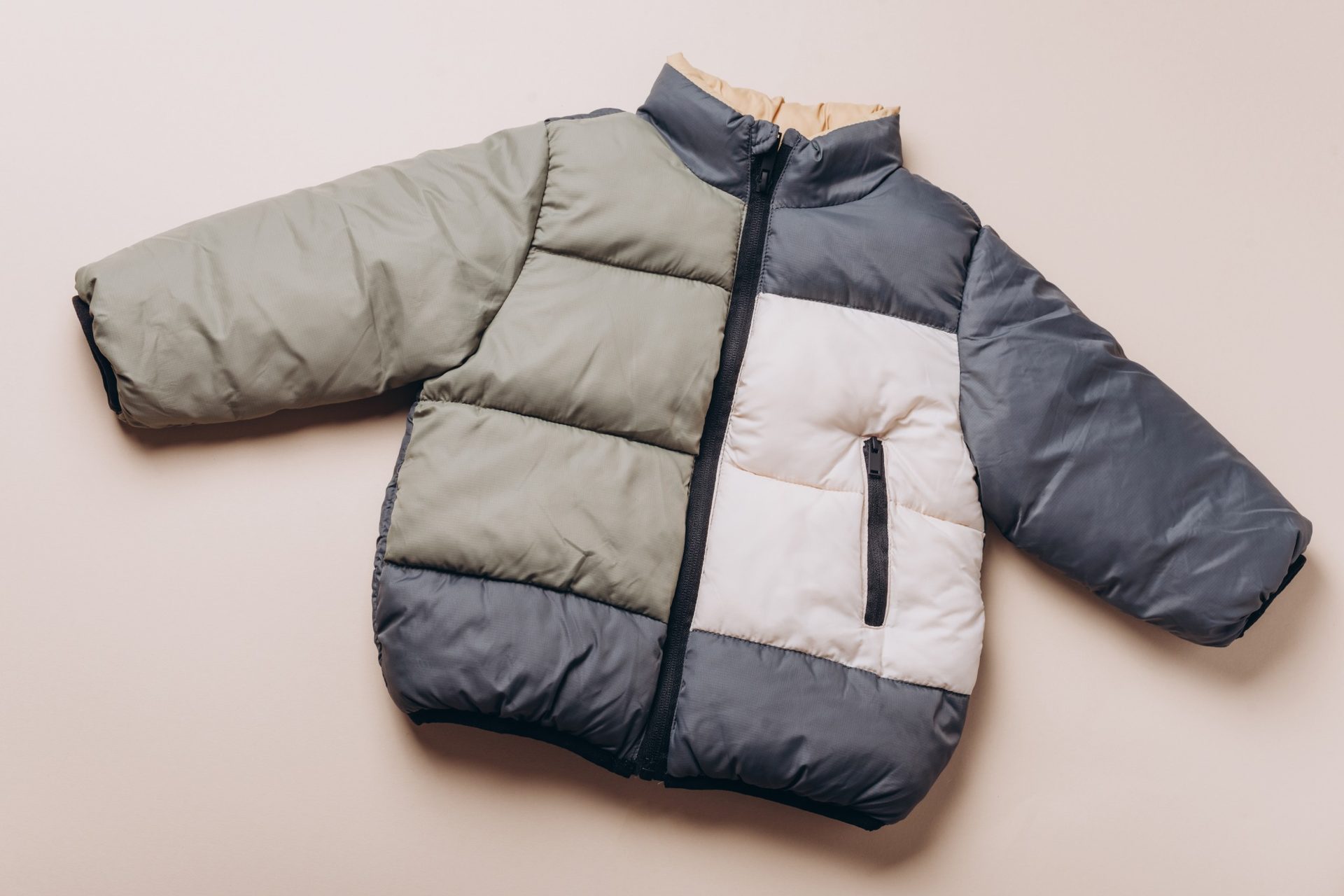
Down keeps you warm thanks to the tiny air pockets between its fibres. These pockets trap warm air and create insulation.
When down gets wet and is not dried correctly, the fibres can stick together and lose their ability to hold air. A duvet, pillow or jacket can then become heavier, flatter and less breathable.
Over time, moisture, sweat, dust and other impurities can build up in down-filled items. That is why they occasionally need washing, but they should not be washed more often than necessary.
Between washes, it is often enough to air the item well, shake it out and store it in a dry place.
Always check the care label before washing
Although there are general rules for washing down, the care label on the specific item always takes priority.
A down duvet, pillow and winter jacket do not necessarily have the same construction. The outer fabric, ratio of down to feathers, stitching, membranes and other materials can all differ.
Before washing, check:
- whether the item can be machine washed
- which temperature the manufacturer allows
- whether spinning is permitted
- whether it can be tumble dried
- whether there are special detergent instructions
- whether the outer fabric or any seam is damaged.
Do not put a torn pillow or duvet into the washing machine before repairing it, because the damage can become worse during washing and the filling may end up in the drum.
If you are washing a pillow, you can find more detailed instructions in our guide How to Wash Pillows: Feather, Synthetic and Memory Foam.
How to wash down duvets and pillows?
One of the most important rules when washing down is to provide enough space in the drum.
The filling needs room to move freely so that water can pass evenly through it. If a large duvet only just fits into a household washing machine, there may not be enough space for proper washing and rinsing.
In that situation, a larger washing machine in a professional laundry can be a safer option.
If the care label allows machine washing, follow a few basic rules:
- Check the seams and outer fabric. Repair any damage before washing.
- Leave enough room in the drum. Do not force a large duvet into a washing machine that is too small.
- Use a mild detergent suitable for delicate fabrics or down, if recommended by the manufacturer.
- Do not use too much detergent. Excess detergent is difficult to rinse out from deep inside the filling.
- Select the programme and temperature stated on the care label.
- Make sure the item is thoroughly rinsed, as detergent residue can remain between the fibres.
If you also wash other large household textiles, take a look at our guide How to Wash Blankets and Bed Covers. The same careful approach is useful when caring for blankets and bedding at home during winter.
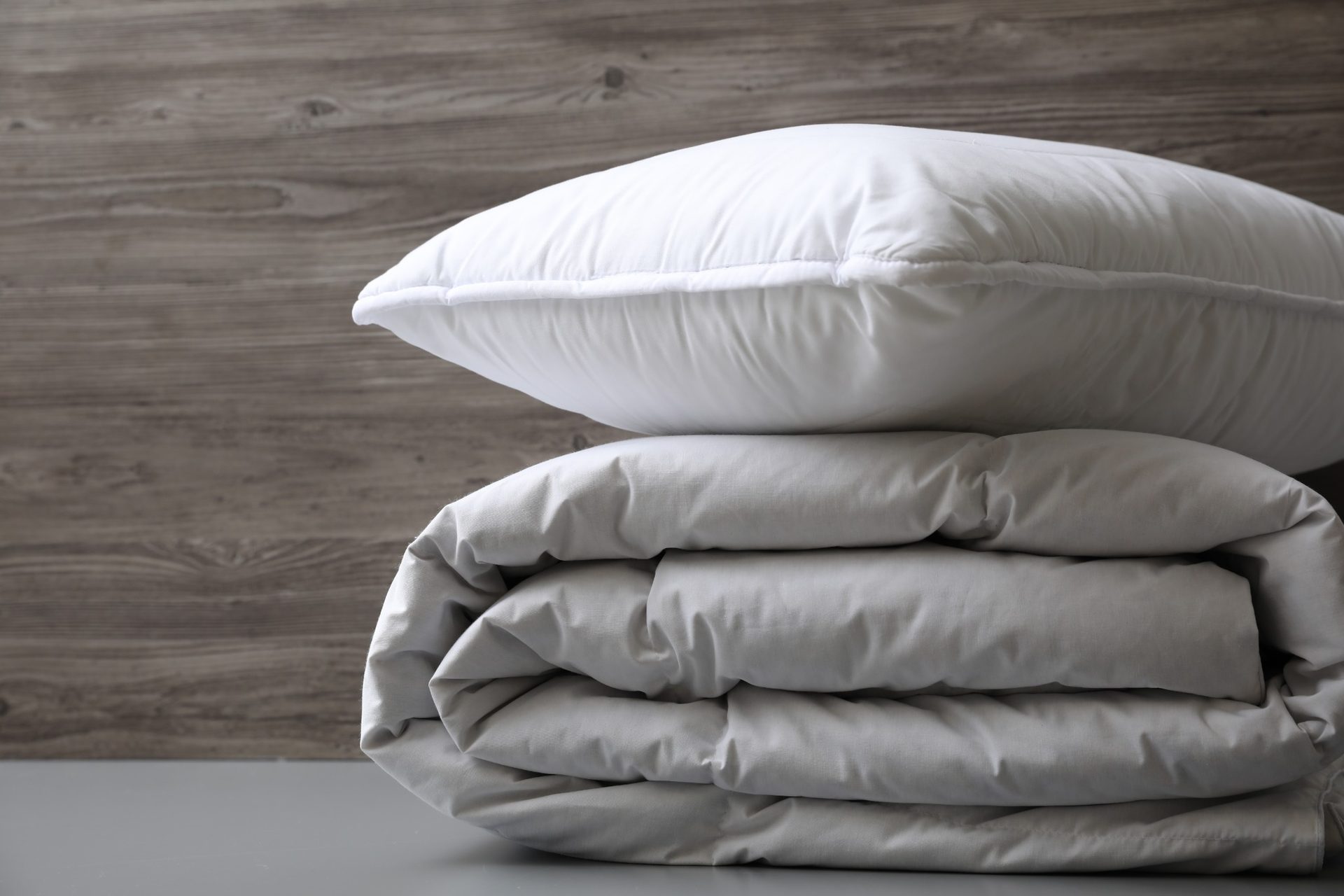
Why is fabric softener not a good choice?
Although fabric softener is used to make laundry feel softer and smell fresher, it is better to skip it with down-filled items.
Fabric softener can coat the filling and encourage down to stick together and form clumps. This reduces breathability and makes it harder for the filling to regain its loft.
With down, softness and a fluffy appearance do not come from fabric softener, but from proper washing, thorough rinsing and complete drying.
For more materials where fabric softener is best avoided, see our guide When Not to Use Fabric Softener: Towels, Sportswear, Microfiber and Children’s Clothing.
Drying down – the most important part of the process
When washing down-filled items, drying is often even more important and demanding than the wash itself.
If moisture remains inside the filling, the down can clump and develop an unpleasant smell. That is why it is not enough to check only the outer surface of a duvet or pillow.
A large down-filled item can feel completely dry on the outside while moisture is still trapped in the middle.
If the care label allows tumble drying, use the temperature and programme recommended by the manufacturer. During drying, take the item out from time to time, shake it and gently separate any sections of filling that have clumped together.
If suitable for the item according to its care instructions, dryer balls can help separate the down and restore loft.
Do not rely on a fixed number of minutes or drying cycles. The thickness of the duvet, amount of filling, drum size and construction of the item can all significantly affect drying time.
How can you tell when down is completely dry?
- press the item in several places, especially in the middle
- check for any cool or damp areas
- feel for harder or compacted clumps of filling
- smell the item and check for any damp or musty odour
- shake it well and check whether the filling redistributes evenly.
If you are not sure whether the filling is completely dry, continue drying it.
For more information about different drying methods, see our guide to drying laundry.
What should you do if the down clumps after washing?
Do not immediately assume that the item has been ruined.
Down naturally sticks together while it is wet. It becomes a problem only if the clumps remain after the item should already be dry.
During drying:
- shake the item several times
- gently break up larger clumps by hand
- redistribute the filling throughout the item
- continue drying until the down separates again and regains its loft.
If the filling cannot be distributed evenly or remains damp in the middle, it is better not to keep experimenting at home.
Take extra care with down winter jackets
A down jacket requires similar care to a duvet, but it may also contain technical layers, coatings or membranes. That makes the manufacturer’s care label even more important.
If machine washing is permitted, the jacket needs enough space in the washing machine. After washing, the filling should be gradually separated and redistributed through the jacket’s baffles during drying.
Do not store or wear the jacket again until you are sure that the down is completely dry and the jacket has regained its loft.
The same principle applies to sleeping bags and other technical outdoor fabrics: always follow the specific care instructions for the item.
Quick overview: how to wash different down-filled items
| Item | Before washing | Washing and drying | Special care |
|---|---|---|---|
| Pillow | Check the care label and seams. | Use a gentle programme if permitted; dry completely and redistribute the filling. | The inside can still be damp even when the surface feels dry. |
| Duvet | Check whether it fits freely in the drum. | Do not overload the washing machine; ensure thorough drying. | Large duvets are often more practical to wash in a professional laundry. |
| Down jacket | Check the care label and technical layers. | Wash according to the manufacturer’s instructions; redistribute the filling during drying. | Pay particular attention to membranes and coatings. |
| Other down-filled items | Check the construction and care label. | Adapt the process to the item and dry completely before storing. | Do not rely on general instructions without checking the care label. |
When is it better to leave down washing to a professional laundry?
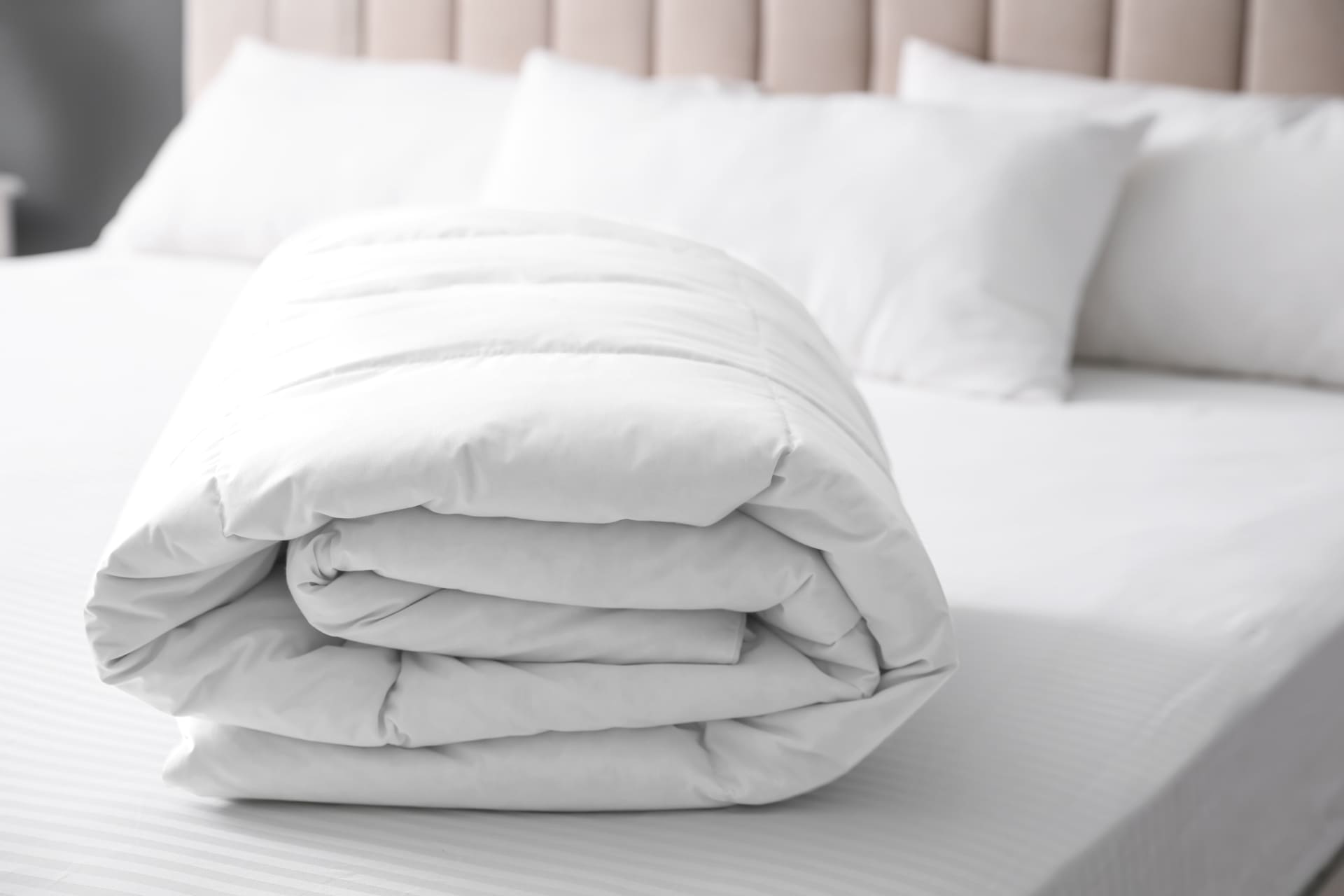
Washing at home can be a perfectly good option if the item is machine washable, your drum is large enough and you have a reliable way to dry it thoroughly.
A professional laundry is more practical when:
- a large duvet does not fit freely in your washing machine
- the item is very thick
- you cannot dry it thoroughly at home
- the item is expensive or particularly delicate
- you are not sure how to follow the care label
- the down remains wet or heavily clumped after washing.
With large down-filled items, it is not enough simply to have a washing machine that you can squeeze them into. They need sufficient room both during washing and during drying.
At iWash-uWash, down-filled items are treated as more delicate laundry and are handled with appropriate washing and drying programmes. With down duvets in particular, drying can take considerably longer than with ordinary laundry because the filling must be completely dry before collection.
How to care for down long term
Proper care does not end with washing.
Down pillows, duvets and other filled items should be shaken out and aired regularly. This helps redistribute the filling and release moisture that builds up during everyday use.
When storing them:
- store them only when completely dry
- choose a dry, well-ventilated place
- avoid compressing them tightly for long periods
- avoid sealed plastic bags where there is no air circulation
- use protective covers where practical.
If you want more advice on caring for household textiles, see our tips for keeping towels and bedding fresh for longer.
Down is a high-quality natural material that can retain its lightness, loft and warmth for a long time when cared for properly. The key is not aggressive washing, but a gentle process, correct detergent dosage, avoiding fabric softener and, above all, thorough drying.