
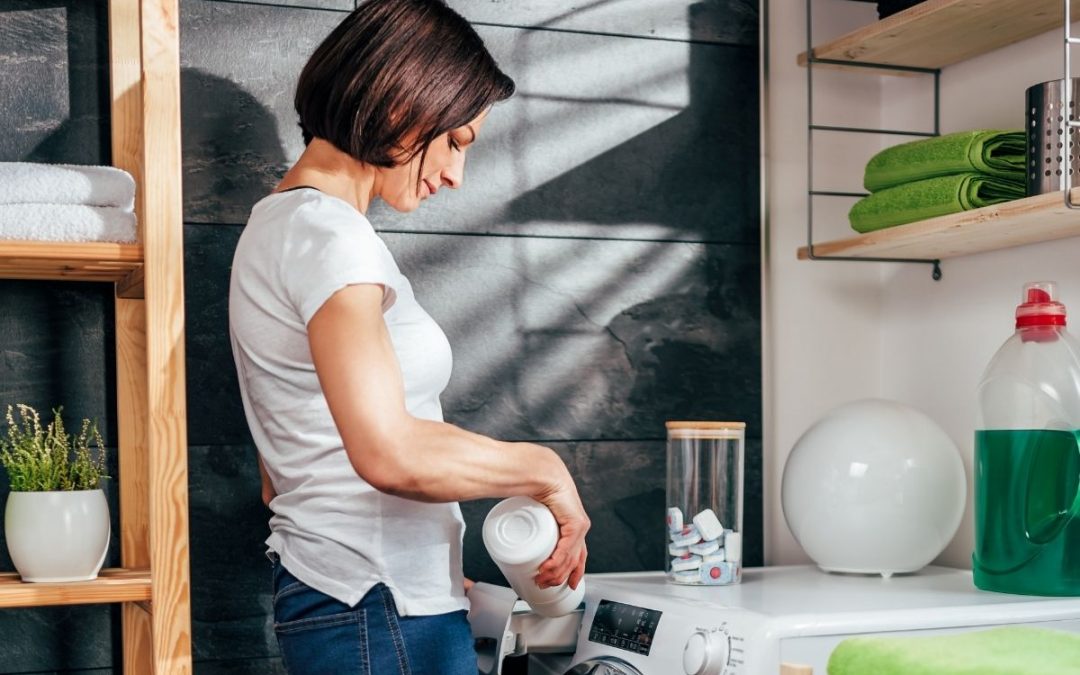
Fabric softeners are popular laundry products used to make clothes softer, more fragrant and easier to iron after washing. However, there are situations in which it is better to avoid them, as they can affect the performance of certain fabrics, reduce absorbency or cause problems for particularly sensitive skin.
To help you protect your clothes and keep different types of textiles performing as intended, below we explain when and why it may be better to skip fabric softener.
Sportswear and performance
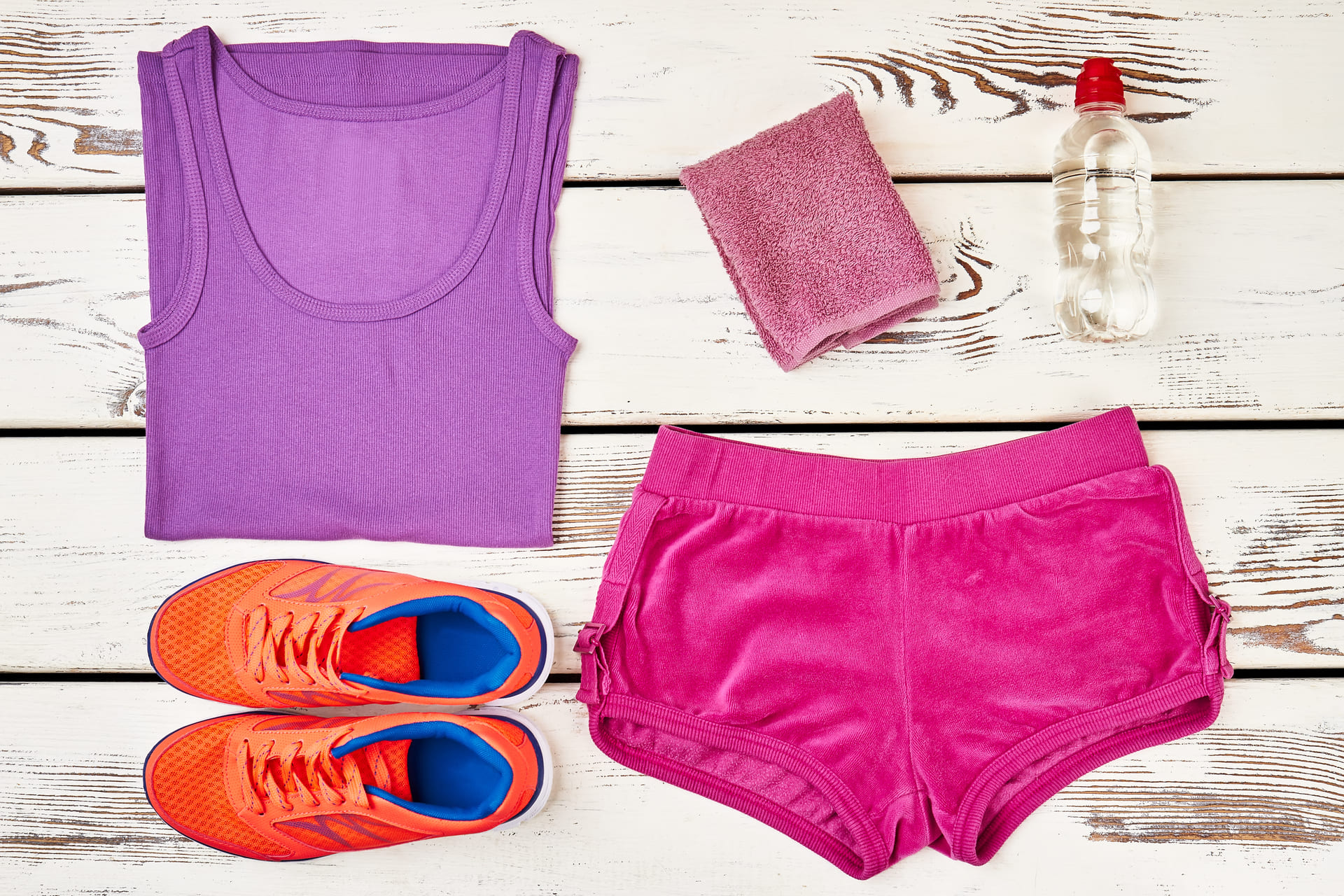
Sportswear is often made from materials designed to wick moisture away from the skin, dry quickly and remain breathable during exercise.
On these fabrics, fabric softener can leave a coating on the fibres and, over time, affect their ability to manage moisture effectively. For this reason, washing functional sportswear without fabric softener is often recommended.
This is particularly important for sports T-shirts, leggings, sports bras and other garments made from technical fabrics.
When washing sportswear, the best first step is always to check the care label and use a detergent suitable for functional and technical materials.
You can learn more about choosing the right detergent in our guide to laundry detergents.
Waterproof and water-repellent clothing
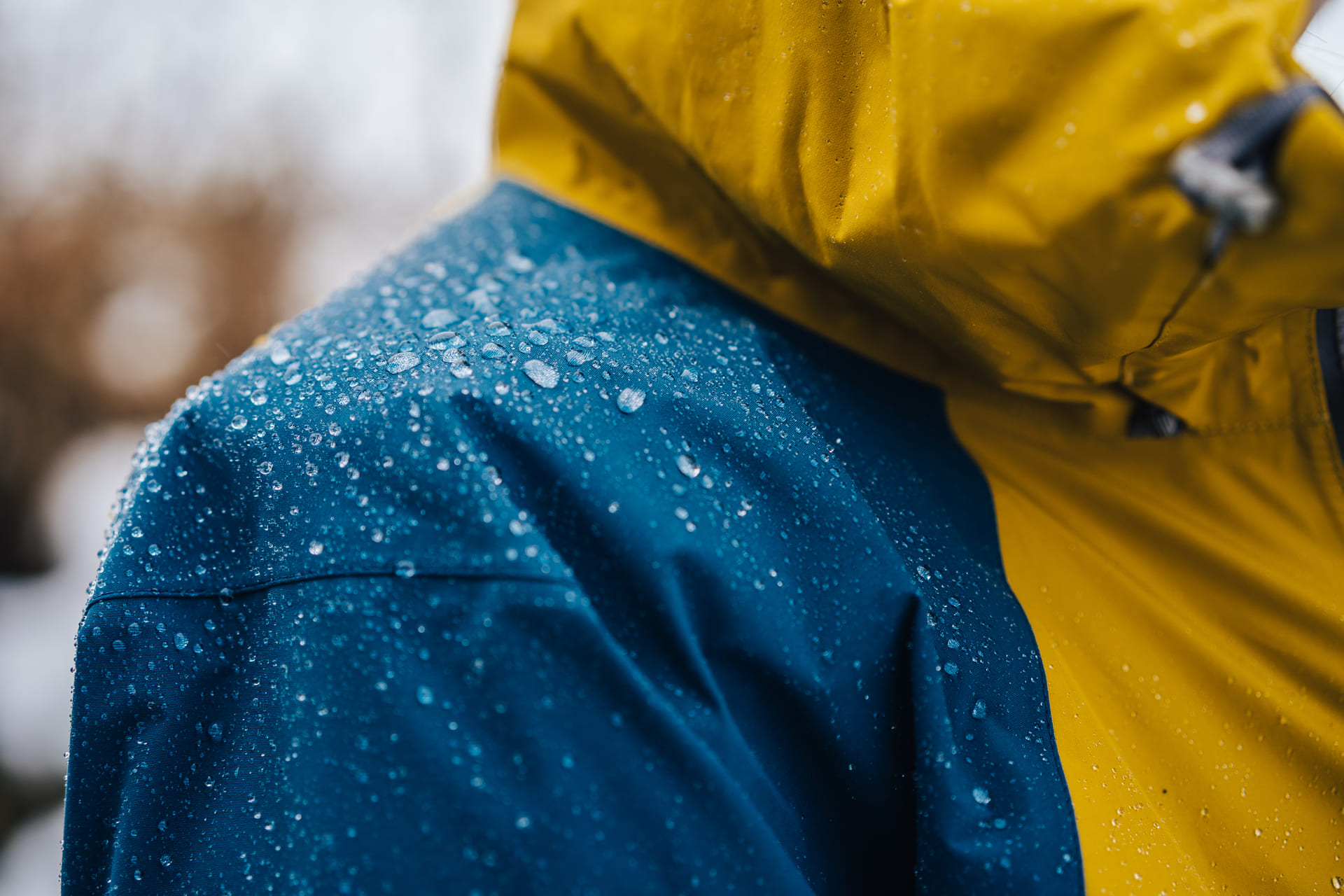
Garments with waterproof or water-repellent finishes, such as outdoor jackets and sports trousers, may also lose some of their functionality when washed with fabric softener.
Fabric softeners can interfere with the surface treatment of these materials and may reduce their ability to repel water and provide protection from rain or snow.
Towels
If you enjoy very soft and pleasantly scented towels, fabric softener may seem like the obvious choice. However, one of the most important properties of a towel is its ability to absorb water.
Fabric softener can leave a coating on the fibres. When used frequently or in excessive amounts, this coating may gradually reduce absorbency. For this reason, it is often better to use fabric softener sparingly or occasionally leave it out altogether.
If your towels feel soft but seem to absorb less water than before, try washing them several times without fabric softener.
It is also important to use the correct amount of detergent. Too much detergent can remain trapped in the fibres and affect both the feel and performance of your towels.
For business customers who need larger quantities of professionally cleaned textiles, iWash-uWash also offers bed linen and towel rental.
Microfiber cloths and cleaning cloths
With microfiber cloths and towels, the recommendation is even clearer.
Microfiber is made from extremely fine fibres designed to pick up dust, grease and moisture from surfaces. This is why microfiber products are commonly used for cleaning glass, kitchens, cars and many other surfaces.
Fabric softener can coat these fine fibres and reduce their ability to collect dirt and absorb water.
If you want your microfiber cloths to maintain their cleaning performance for as long as possible, follow the care instructions and avoid fabric softener.
Nappies and children’s clothing
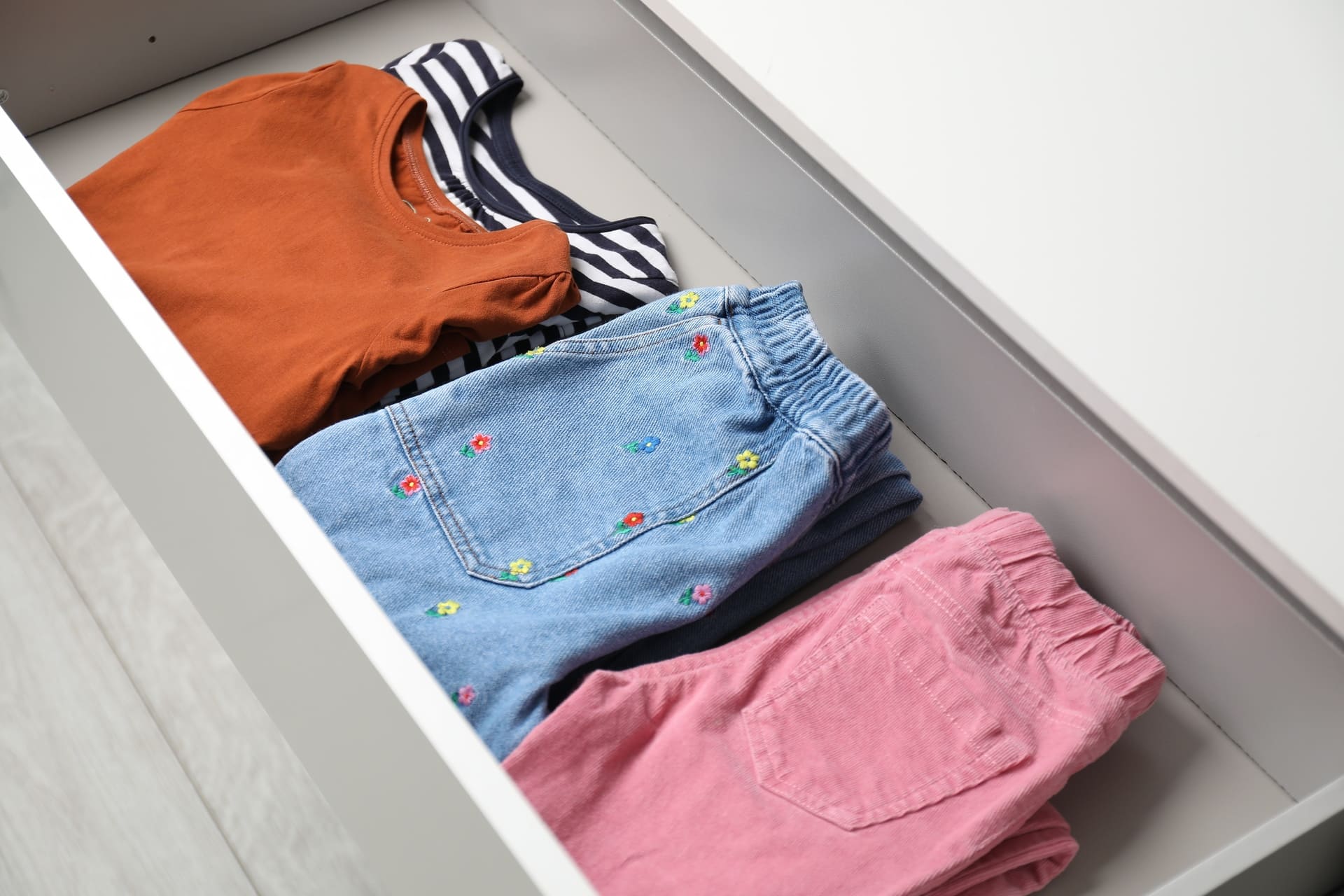
It would be incorrect to assume that every fabric softener is automatically unsuitable for children’s clothing. However, fragrances and certain ingredients may irritate particularly sensitive skin.
If your child has sensitive skin or reacts to fragrances, consider choosing laundry products without strong perfumes or unnecessary additives.
Extra care is also needed with children’s clothing labelled as flame-resistant. Some fabric softeners may affect the functional properties of these materials, so always follow the instructions on the care label.
For reusable cloth nappies, follow the manufacturer’s washing recommendations, as different fabrics and constructions may require different methods of care.
Laundry with a high proportion of synthetic fibres
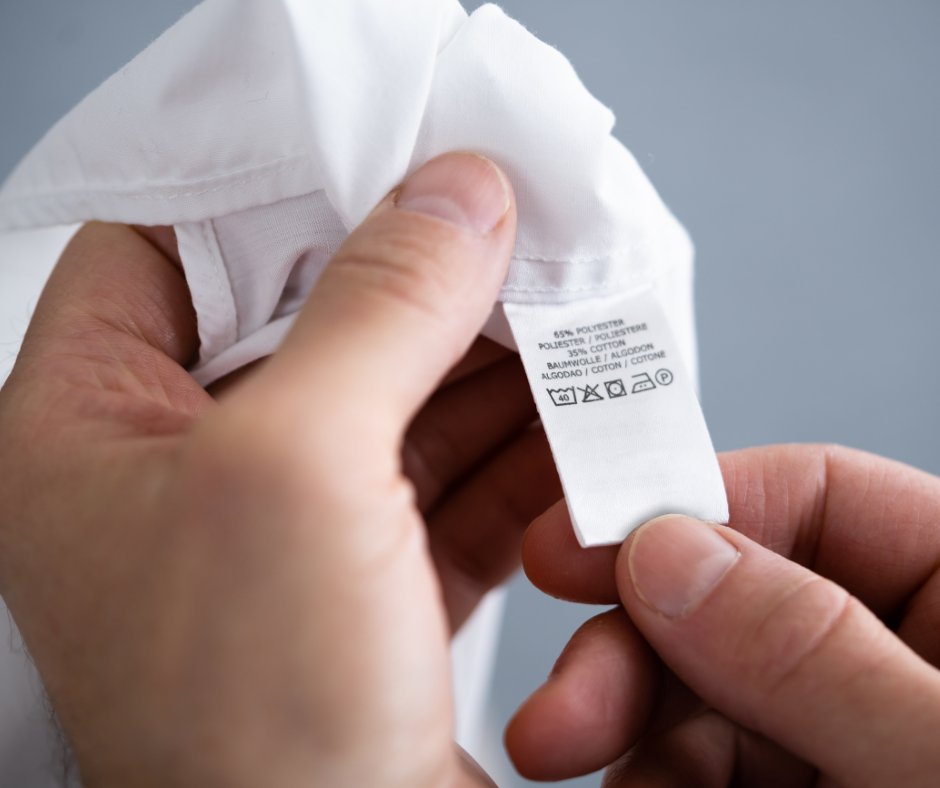
Fabric softeners can also affect garments made from synthetic fibres such as polyester or nylon.
Instead of improving these materials, a softener may leave a coating that makes them feel heavier or reduces breathability. This can result in a less comfortable feeling against the skin, particularly with garments worn during physical activity.
If you want synthetic garments to remain as fresh and functional as possible, it may therefore be better to skip fabric softener.
Dish towels and kitchen cloths
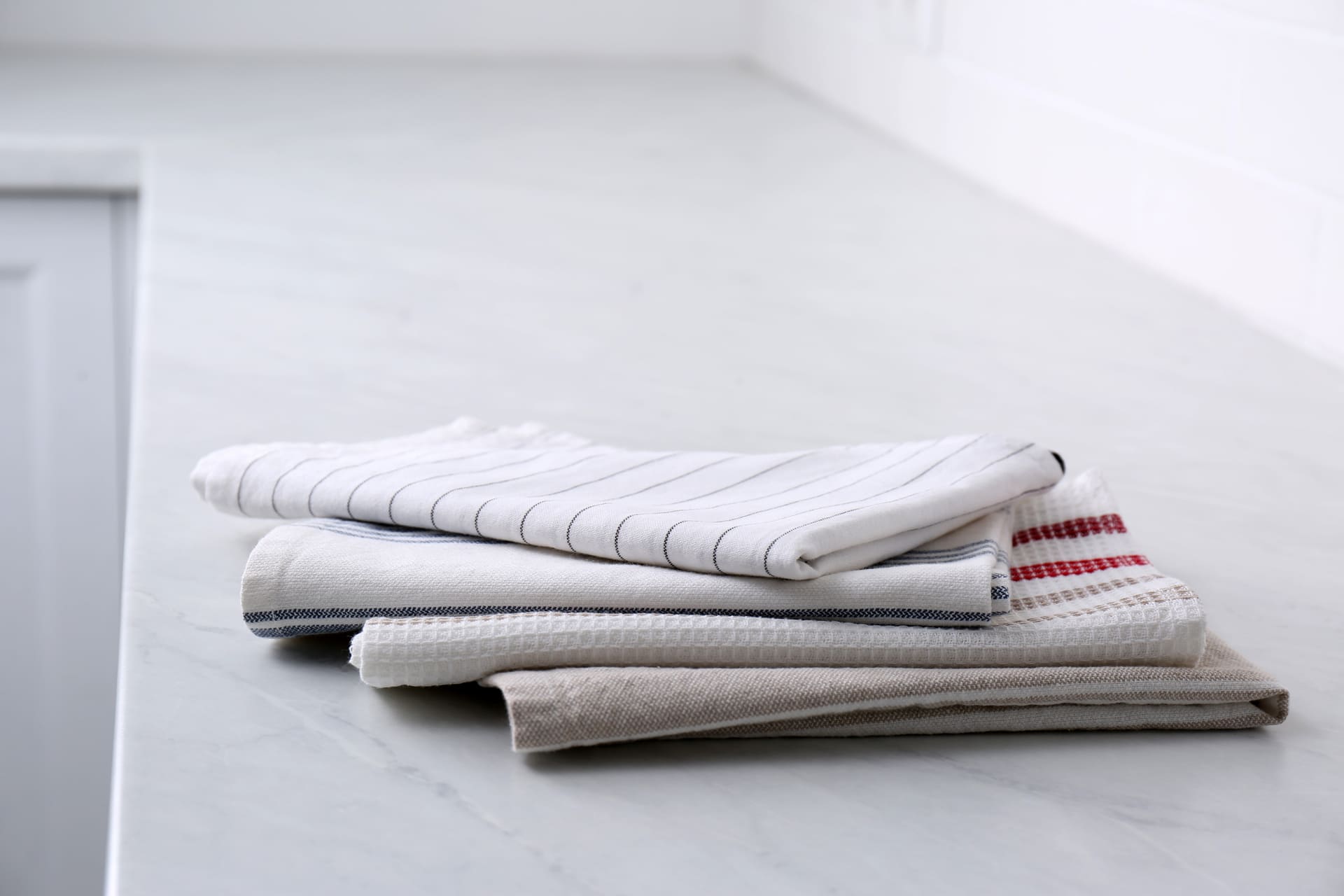
Kitchen cloths and dish towels are primarily used to absorb moisture, so maintaining good absorbency is more important than achieving additional softness or fragrance.
For this reason, it is usually better to wash kitchen textiles without fabric softener, especially if you notice that they no longer absorb water as effectively as they used to.
When should you use fabric softener and when should you skip it?
| Type of laundry / material | Fabric softener? | Why? |
|---|---|---|
| Sportswear and performance clothing | Usually skip it | It may affect breathability and moisture-wicking performance. |
| Towels | Use sparingly or avoid | Frequent or excessive use may reduce absorbency. |
| Microfiber | Skip it | It can coat the fibres and reduce cleaning and absorption performance. |
| Waterproof / water-repellent clothing | Usually skip it | It may interfere with the functional surface treatment. |
| Children’s clothing | Depends on the product and skin sensitivity | For sensitive skin, choose gentler products and always check the care label. |
| Flame-resistant clothing | Avoid if specified on the label | Fabric softener may affect the functional properties of the material. |
| Kitchen cloths | Better to skip it | Maintaining good absorbency is particularly important. |
| Regular everyday clothing | Yes, if permitted by the care label | Fabric softener may provide a softer feel and help reduce static electricity. |
The care label should always take priority over general recommendations. Even two fabrics with a similar composition may have a different construction, finish or manufacturer’s care requirements.
What can you use instead of fabric softener?
Skipping fabric softener does not mean that your laundry has to feel stiff or unpleasant after washing.
Several simple steps can help:
- Use the correct amount of detergent – excessive detergent can remain in the fibres and make laundry feel stiff.
- Choose a detergent suitable for the type of fabric, especially for sportswear and technical clothing.
- Rinse laundry thoroughly, particularly if you suspect that detergent residue remains in the fabric.
- Air-dry laundry when this is suitable according to the care label.
- Use dryer balls when tumble drying is permitted. They can help separate garments and create a softer feel without liquid fabric softener.
For specialist sports and outdoor clothing, choosing a detergent specifically designed for technical and functional fabrics is generally more useful than trying to achieve fragrance and softness with conventional fabric softener.
If you are unsure which detergent to choose, read our guide: Laundry detergent: powder, liquid, capsules, dosage and ingredients.
Fabric softener can be useful for many everyday fabrics, but it is not a product that automatically needs to be added to every wash.
For sportswear, microfiber, water-repellent materials and textiles where absorbency is particularly important, it is often better to leave it out or at least check the manufacturer’s recommendations before using it.
With towels, fabric softener can be used sparingly if additional softness is important to you. However, if you notice reduced absorbency, try washing them without it. With children’s clothing, pay particular attention to fragrances, skin sensitivity and the instructions on the care label.
The simplest rule is this: first check the material and the care label, and use fabric softener only when it will not reduce the performance of the textile you are washing.