
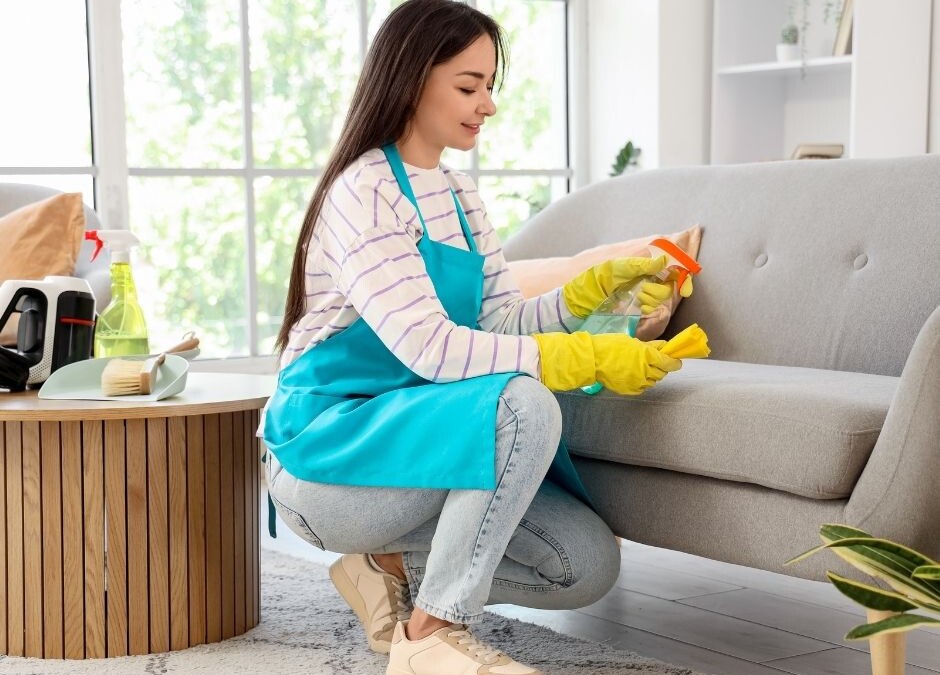
In many homes, curtains, blinds, and upholstered materials are often the forgotten elements of cleaning — until visible dust or unpleasant odors appear. Though used daily, we rarely consider how much these fabrics absorb: dust, airborne particles, pet hair, pollen, and allergens — over time, becoming breeding grounds for bacteria and dirt.
This guide explains in detail how to properly clean, maintain, and refresh your curtains, blinds, and upholstered furniture to ensure a cleaner, fresher, and healthier living environment.
Why Cleaning These Fabrics Matters
Curtains and upholstery aren’t just decorative — they’re active “filters” in your home, absorbing:
- Dust and airborne particles
- Mites and allergens
- Kitchen and smoke odors
- Sweat and moisture
- Pollen and more
Without regular cleaning, these fabrics can cause bad smells, allergic reactions, eye redness, and respiratory irritations. Dirty curtains and upholstery also reduce the overall aesthetics of your home.
But the good news is — with the right approach and proper cleaning methods, these fabrics can be maintained long-term, damage-free and with a fresh appearance.
Types of Materials and How to Identify Them
Curtains and Blinds
Curtains are usually made from:
- Cotton or linen – durable but prone to shrinkage if washed in hot water
- Synthetic fabrics (polyester, microfiber) – wrinkle-resistant and quick to dry
- Blended fabrics – require a gentler cleaning approach
- Decorative fabrics with embroidery or trim – often need hand washing or professional care
Blinds may be:
- UV-resistant fabric – often polyester or PVC-coated
- Blackout fabric – dense structure for complete light blocking
- Sheer or light-filtering fabric – balance between airflow and privacy
Upholstery Materials
Upholstered furniture may include:
- Natural fabrics – cotton, linen, wool
- Synthetic – polyester, acrylic, microfiber
- Blended materials
- Leather and faux leather – require specific treatments
Each material reacts differently to water, detergents, heat, and scrubbing — so it’s essential to adapt your method.
Before You Start: General Cleaning Rules
- a) Always check the care label.
If your curtains or upholstery don’t have tags, treat them as delicate by default. - b) Vacuum first.
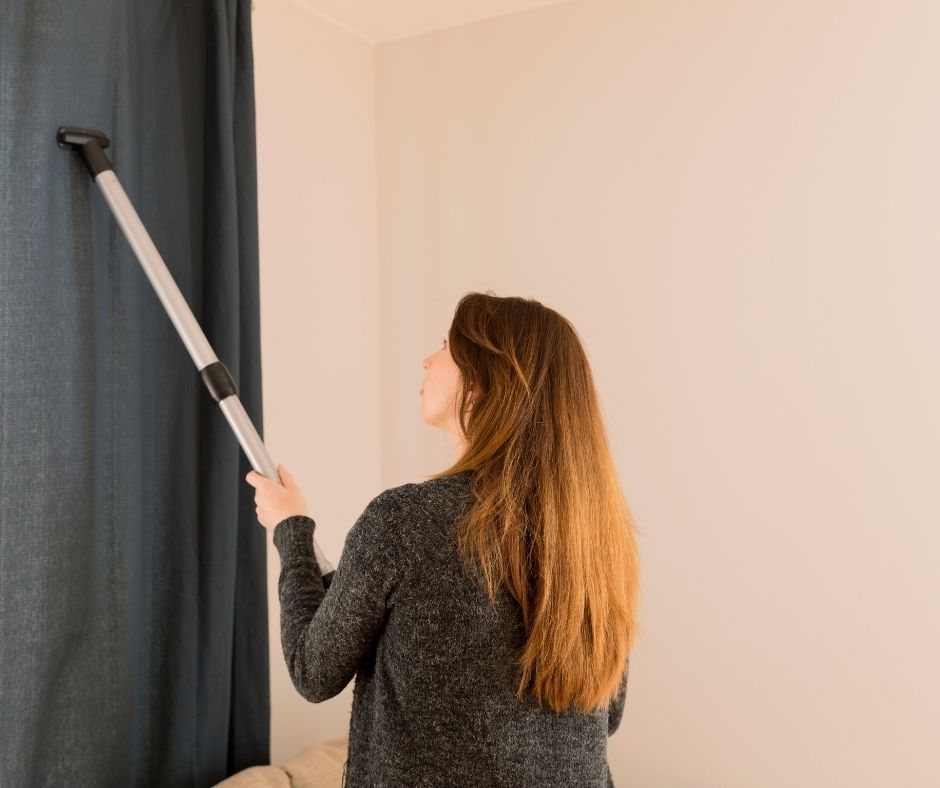
Use a fabric-friendly nozzle and vacuum the entire surface — for curtains, blinds, and upholstery — to remove surface dust. - c) Test cleaning solutions.
Always test your chosen cleaner on an inconspicuous area before treating the entire surface.
Cleaning Curtains: Methods and Tips
Machine Washing
If care labels allow:
- Use a gentle cycle at 30–40°C
- Choose mild detergent without bleach
- Avoid overloading the machine
Hand Washing
For delicate or decorated fabrics:
- Fill a tub with lukewarm water
- Add mild detergent
- Soak and gently swish, avoid rubbing
- Rinse thoroughly
- Lay flat to dry
Drying Tips
- Air dry in the shade
- Never tumble dry — heat can deform fabric
- For long/heavy curtains, ensure even drying to prevent stretching
Cleaning Blinds and Shades
Dry Dusting
For non-washable blinds:
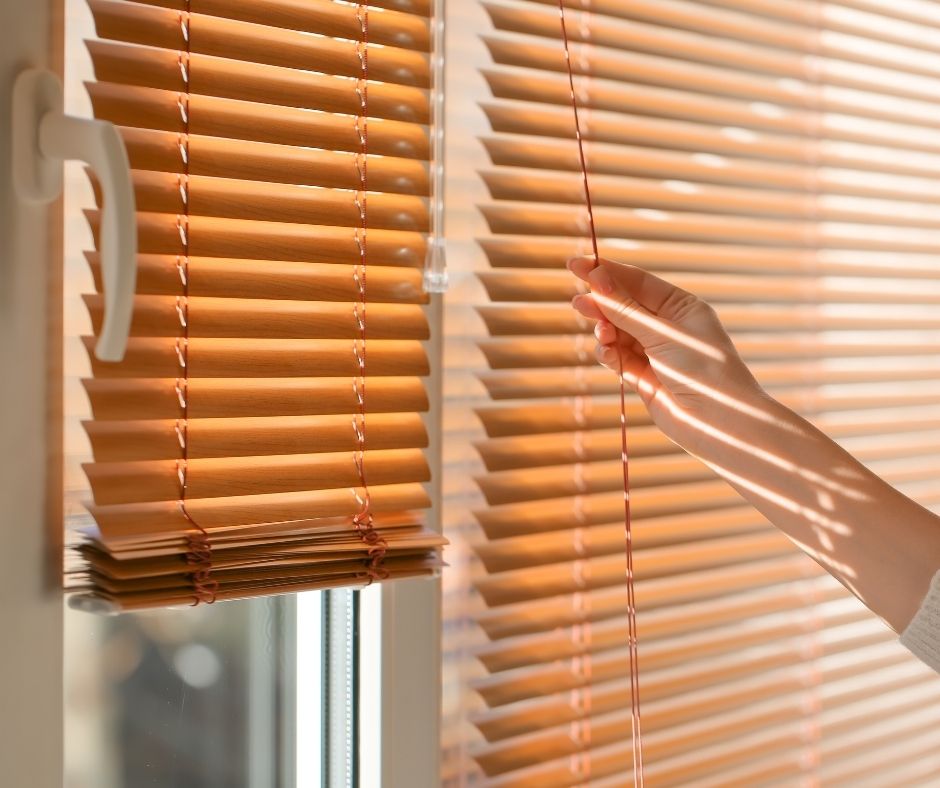
- Use a vacuum with a soft brush attachment
- Or dust with microfiber cloths
Light Damp Cleaning
If fabric allows:
- Dampen a microfiber cloth with diluted mild detergent
- Gently wipe in the direction of the weave
- Wipe again with a clean damp cloth
⚠️ Avoid harsh chemicals — PVC coatings or UV filters can be damaged.
Upholstery Maintenance
Vacuuming First
Focus on:
✔️ Backrests
✔️ Seat cushions
✔️ Cracks and crevices
Stain Solutions
- Odors → Sprinkle baking soda, wait 30–60 min, vacuum
- Food & drink stains → Blot gently, don’t rub
- Grease → Pre-treat with dish soap, then clean
Deep Cleaning
Occasionally:
- Use a fabric-specific cleaner
- Or bring to a professional for thorough treatment
⚠️ Always dry completely — trapped moisture leads to mold.
Common Cleaning Mistakes
❌ Aggressive rubbing → Pushes the stain deeper
❌ Drying on direct heat → Can shrink or fade fabrics
❌ Using harsh chemicals → Bleach or ammonia can permanently damage
✅ Instead:
- Choose mild detergents
- Test first
- Air dry when possible
Intensive Option: Steam Cleaning
Perfect for:
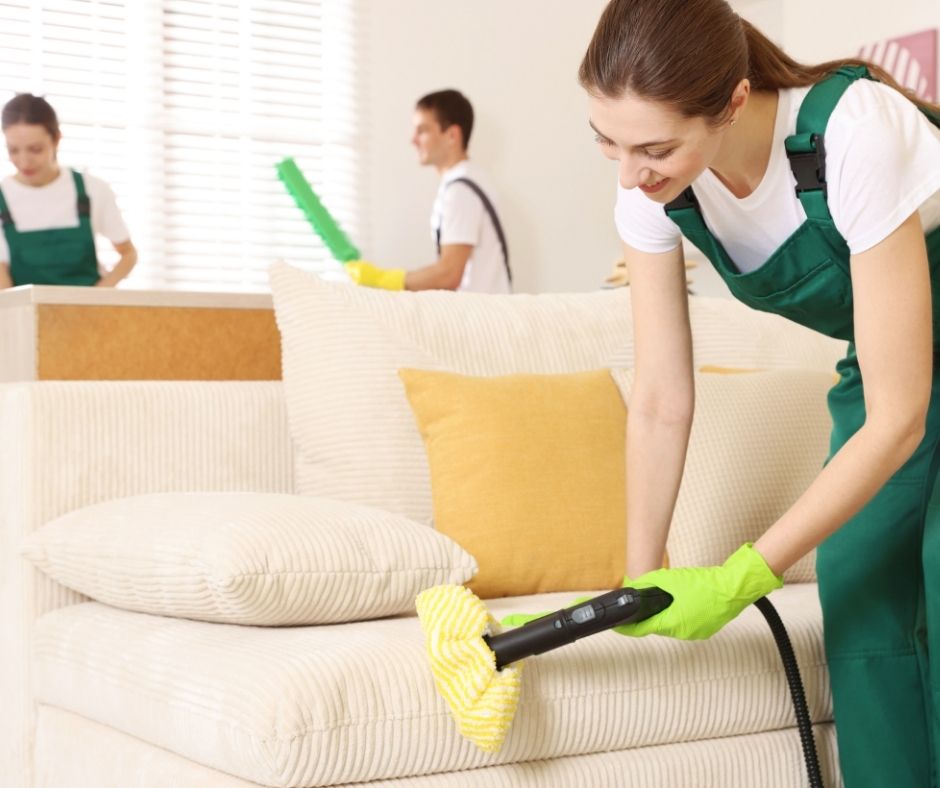
✔️ Freshening up curtains without full wash
✔️ Removing wrinkles
✔️ Eliminating odors and bacteria
Bonus: Steam cleans without soaking the fabric, preserving structure.
Extend the Life of Your Fabrics
✅ Vacuum regularly — dust builds up invisibly
✅ Avoid direct sunlight — UV fades color
✅ Flip cushions — evens out wear
✅ Schedule cleaning every 3–6 months
DIY or Professional?
Call in the pros when:
✔️ Dealing with decorative or delicate fabrics
✔️ Removing stubborn odors
✔️ Cleaning large upholstered surfaces
✔️ Caring for velvet, silk, or brocade
At iWash uWash, we provide:
✔️ Fabric-specific cleaning programs
✔️ Eco-friendly detergents
✔️ Deep sanitizing and stain removal
✔️ Quality care for every piece — from blinds to sofas
Curtains, blinds, and upholstered surfaces are not just decor — they influence the air you breathe, the feel of your home, and your overall well-being.
With proper care, you get:
✔️ A fresher, cleaner environment
✔️ Longer-lasting fabrics
✔️ Fewer allergens and odors
✔️ A healthier home for your loved ones
Whether you do it yourself or leave it to us, regular maintenance is key.
Trust iWash uWash to handle your home textiles with care, expertise, and the highest standards of hygiene.