
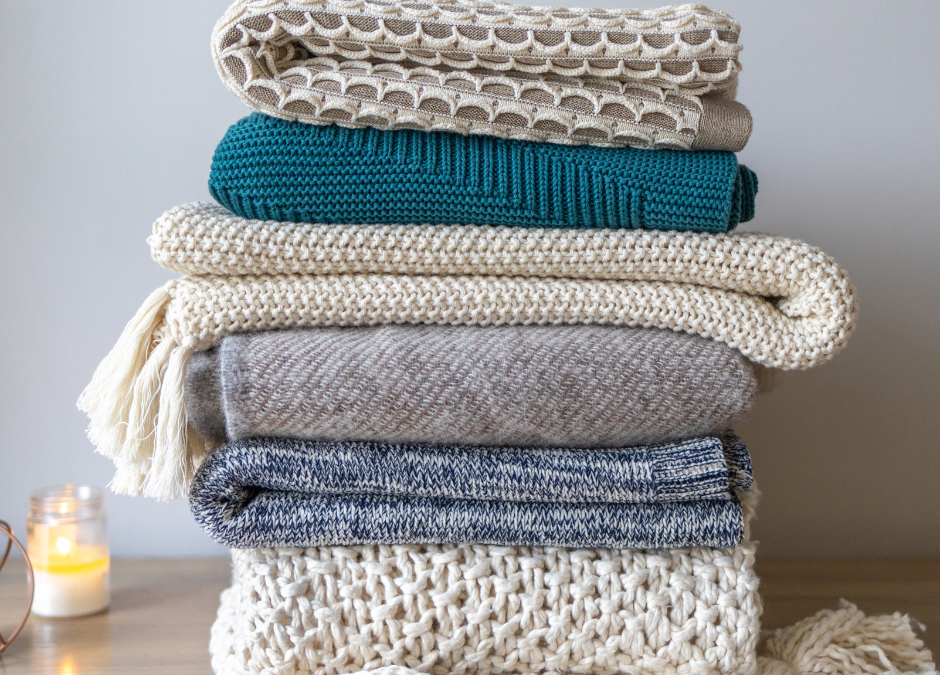
In every home, blankets are more than just an ordinary item – they are a symbol of comfort, warmth, and a homely atmosphere. Whether it’s soft fleece blankets for cold winter nights, elegant wool blankets that add style to the living room, or lightweight cotton blankets ideal for summer evenings, each blanket has its role in creating a home atmosphere. However, with so much use, comes the need for regular and proper maintenance. Maintaining blankets is not just a matter of cleanliness; it is also crucial for preserving their structure, color, and overall longevity.
In today’s world, we often forget the importance of maintaining textiles in our homes. We can take a blanket for granted, not realizing that it also requires attention to retain its beauty and functionality. In addition, blankets are often exposed to various forms of wear and tear – from spilled liquids to frequent washing, and each of these situations can affect their durability and appearance.
In this article, we will show you the best methods for maintaining different types of blankets. Whether it’s expensive blankets made from natural materials or everyday synthetic variants, our goal is to provide comprehensive and easily applicable tips to keep your blankets soft, clean, and durable.
Regular Cleaning

When it comes to cleaning and washing blankets, it is important to understand that each material requires a special approach. Here are a few steps to achieve this:
- Read the Care Instructions: The first step is always to check the care instructions on the label of your blanket. They will provide you with specific information on how to safely wash and clean your blanket.
- Dust and Crumbs: Regularly shake out blankets outdoors to remove dust and crumbs that accumulate during use. This is especially important for blankets that are rarely washed, like heavier wool blankets.
- Stain Treatment: If stains occur, it is important to act immediately. Use an appropriate stain remover that is safe for the fabric of your blanket. Gently dab the stain instead of rubbing to avoid damaging the fabric.
- Washing: Most blankets can be washed in a washing machine. Use a gentle cycle with cold water to avoid damaging the fabric. For blankets made of delicate materials like wool or silk, hand washing in cold water with a mild detergent may be the best option. If your blanket is too large for home washing or you are unsure how to wash it, bring it to our laundry service and we will professionally wash your blanket.
Drying and Ironing

Drying is just as important as washing when it comes to preserving the quality of your blanket, and it is especially important to adhere to these rules:
- Air Drying: Ideally, blankets should be air-dried. Spread the blanket on a flat surface or hang it on a drying rack, but avoid direct exposure to sunlight to prevent color fading.
- Dryer: If using a dryer, choose a low temperature and avoid drying completely to prevent shrinkage and damage to the fibers.
- Ironing: Most blankets do not require ironing. If ironing is necessary, make sure the iron’s temperature is adjusted to the type of fabric of your blanket. Avoid ironing plastic fibers such as polyester, as they can melt.
Storage and Maintenance
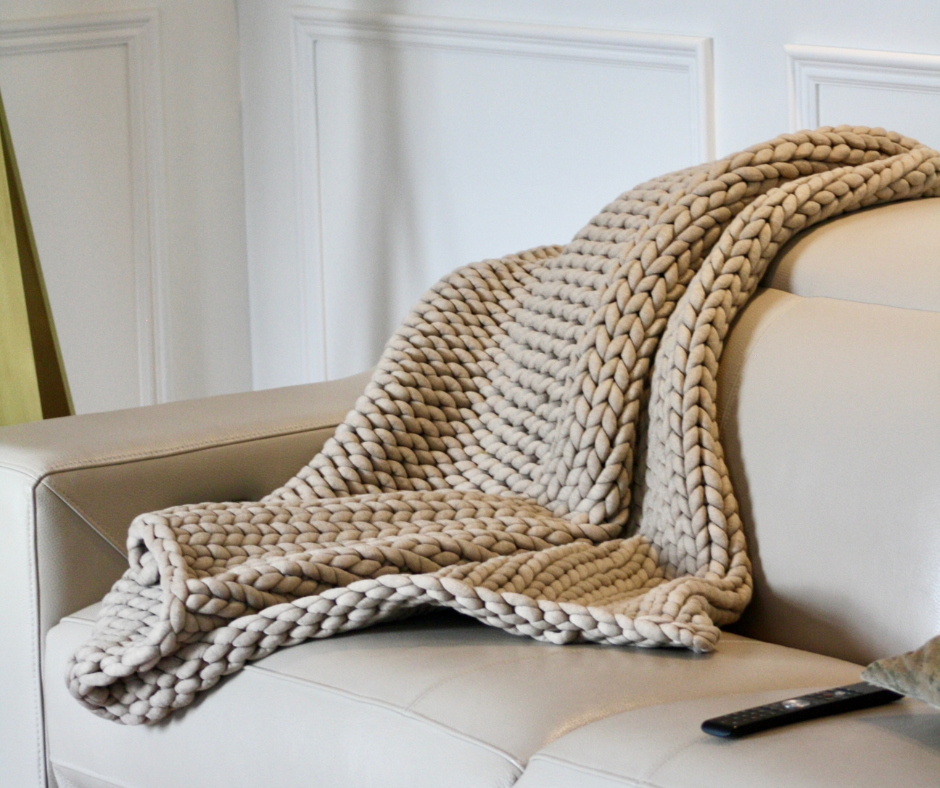
Storing blankets when they are not in use is an essential part of maintenance, as it prolongs their lifespan. Here’s how to properly store blankets:
- Store Them Dry: Keep blankets in a dry, airy space to prevent the formation of mold and unpleasant odors.
- Aeration: Periodically check your blankets, especially if you haven’t used them for a long time, to ensure that they haven’t been attacked by pests or damaged by moisture.
Protection Against Moths and Other Pests

When it comes to preserving blankets, one of the key aspects that is often overlooked is protection against moths and other pests. These small but harmful organisms can irreversibly damage fabrics, leaving behind holes and a weakened material structure. In homes, especially those with a large amount of textile products like blankets, moths can find fertile ground for reproduction. Besides moths, other pests can also damage blankets, particularly if they are made of natural fibers like wool.
The importance of prevention cannot be overstated. While treating already infested blankets is often complicated and not always successful, preventive measures can significantly reduce the risk of damage. The basic strategy includes using natural repellents such as lavender and cedar, which are known for their deterrent properties against pests and also provide a pleasant scent. Additionally, regular inspection of blankets for signs of infestation is crucial. These two approaches together form a strong defense against potential damage that moths and other pests can inflict on your blankets.
Special Care for Different Materials

Today, you can choose from a truly impressive number of blankets and covers on the market. While in the past blankets and bed linens were inherited from generation to generation, mostly consisting of wool blankets that warmed in the coldest climates and were carefully stored in chests or wardrobes after use, today you have the opportunity to buy these same blankets as well as choose from a dozen different, more affordable options. Depending on the material from which the blankets are made, it is important to adjust the care and maintenance accordingly.
- Wool: Woolen blankets require special attention. Washing with cold water and a mild detergent and drying on a flat surface are the best ways to maintain them, but these blankets can be extremely heavy and almost impossible to wash in a home washing machine, so we recommend washing them in a professional laundry service.
- Cotton and Synthetic Fabrics: These blankets are usually more durable and easier to maintain. You can wash them in the washing machine and dry them in the dryer at a gentle temperature.

Proper maintenance of blankets significantly extends their lifespan and maintains their functionality and aesthetics. With a little care and attention, your blankets will remain like new for years and warm you and your family.