
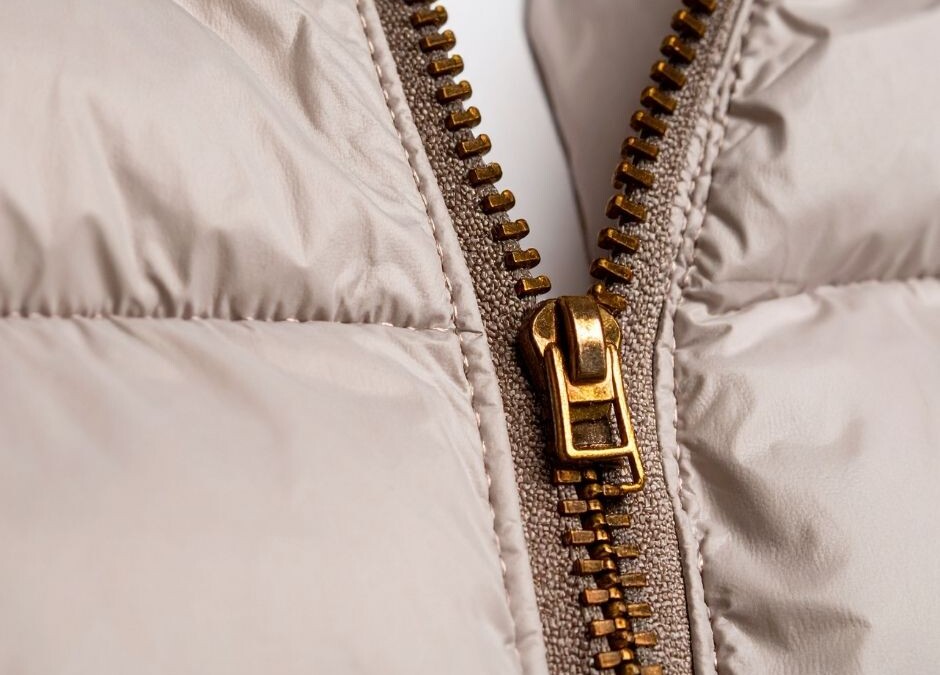
There’s a moment everyone knows – you open the washing machine after a cycle, expecting fresh, clean clothes, and instead you’re met with an unpleasant surprise. A small scratch appears on your shirt that now makes it unsuitable for going out, your sportswear looks worn out, and your favorite shirt is missing a button. In most cases, it’s not about a bad detergent or the wrong washing program, but something much simpler – the small details on clothing that we often overlook.
Why small details can become a big problem
Metal and plastic elements such as zippers, buttons, and Velcro have their purpose and make clothing more practical, but during washing they behave very differently than we expect. Inside the closed space of a washing drum, where clothes spin, collide, and rub against each other, these small additions become active participants that can damage everything around them. That’s why more and more people who come to iWash uWash laundromats ask the same question – how can this be prevented?
The answer isn’t complicated, but it does require a shift in how we think about washing. Instead of seeing clothes as one uniform group, it’s important to start paying attention to the details.
Zippers – the silent cause of damage
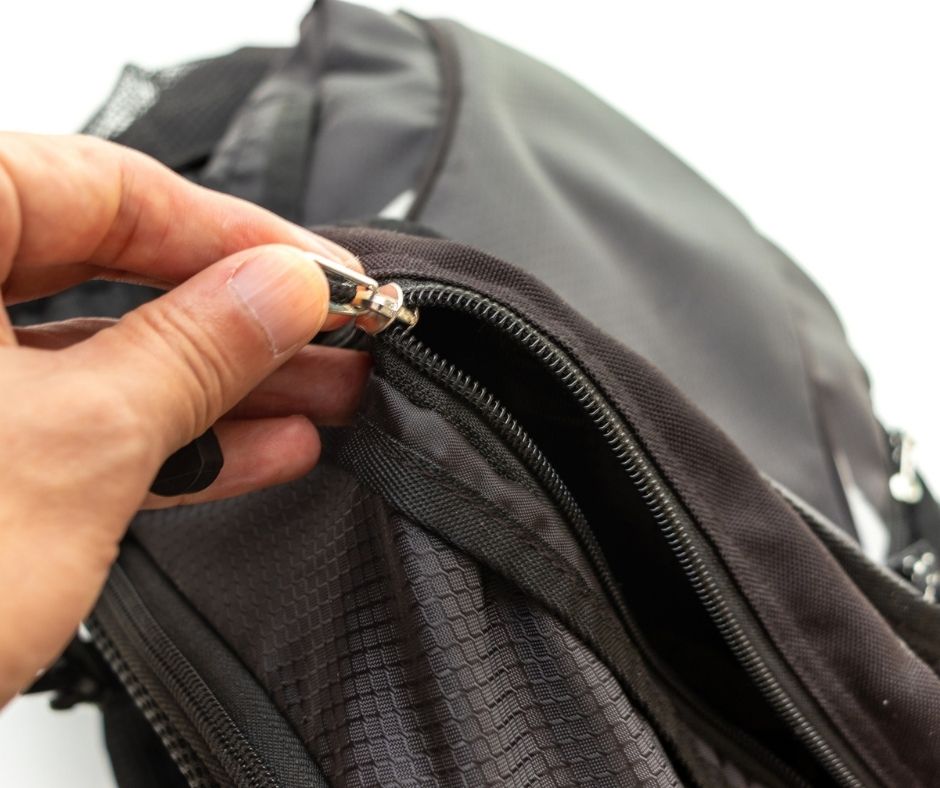
If we start with the most common “culprit,” zippers, it quickly becomes clear why they’re problematic. An open zipper during washing behaves almost like a small scraping tool against other fabrics. Its teeth catch fibers, especially on softer materials, and over time create damage that simply can’t be fixed.
What’s interesting is how simple the solution is – close the zipper before washing. That small action often makes the difference between clothes that last for years and those that get ruined after just a few cycles.
But it doesn’t stop there. Turning garments with zippers inside out further reduces contact between the hard surface and the rest of your laundry. In practice, this means less friction, less damage, and a longer-lasting appearance.
Buttons under pressure – more than you think
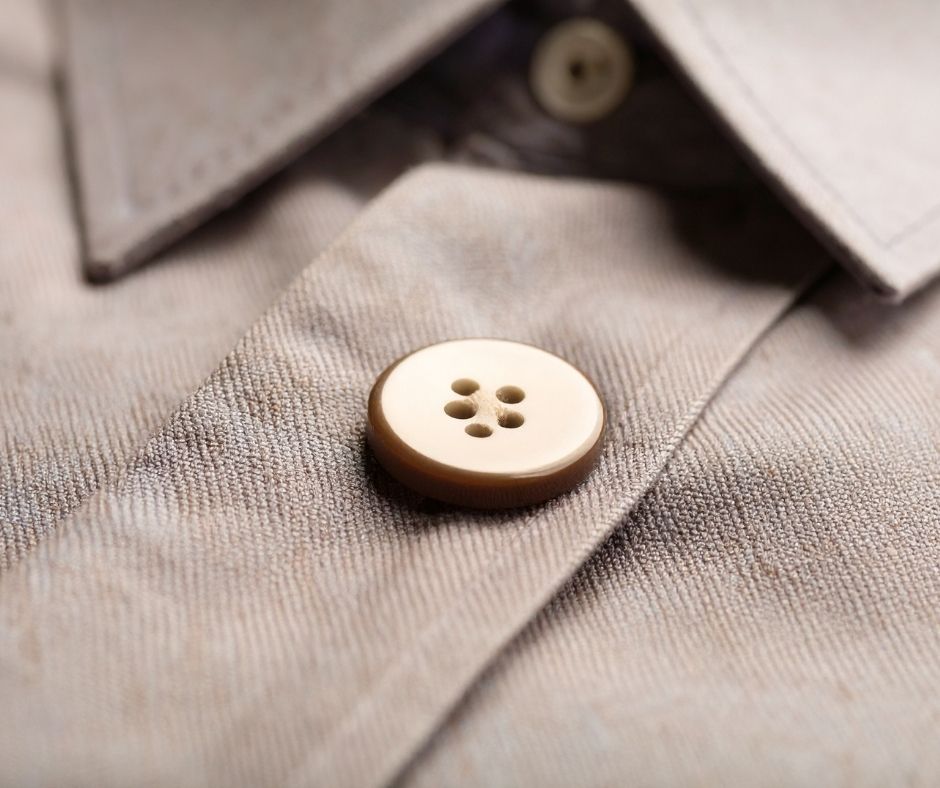
A similar story applies to buttons, even though they seem harmless at first glance. While they sit quietly on shirts or coats, they appear stable and strong, but in the washing machine they go through completely different conditions. During the spin cycle, clothes rotate rapidly and hit the drum walls, and buttons become pressure points.
If they’re unbuttoned, they have more room to move, which increases the chance of snagging on another garment or simply breaking. That’s why fastening buttons before washing isn’t about neatness – it’s about protection. It stabilizes the garment and reduces stress on the seams.
Velcro – a small “magnet” for problems
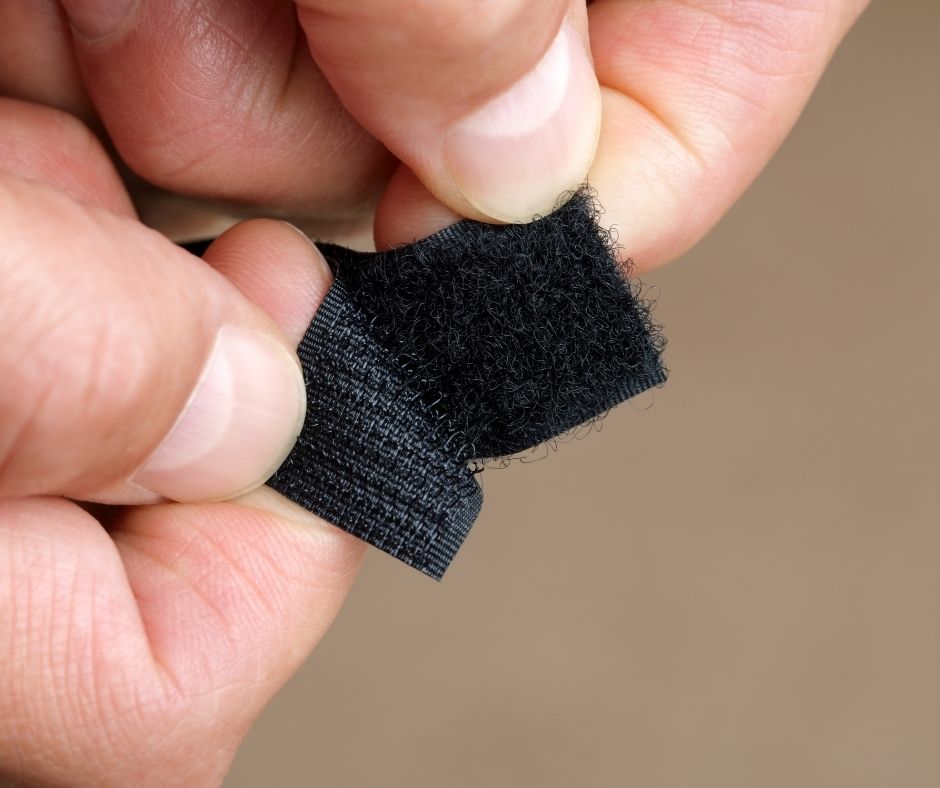
If there’s one element that regularly causes the most issues, it’s Velcro. Its purpose is to stick, and that’s exactly what it does – just not only where we want it to. During washing, Velcro looks for anything it can latch onto. The result is damaged surfaces, pulled fibers, and that unpleasant “worn-out” look that appears sooner than it should.
It’s surprising how often people forget to fasten Velcro before washing, even though it may be the most important step of all. Once it’s closed, its rough surface no longer comes into contact with the rest of the clothing.
Thinking about the entire load
The real shift happens when you start thinking more broadly – not just about individual pieces, but about the entire load of laundry. One jacket with multiple zippers and Velcro strips can cause more damage than it seems at first glance. If it’s washed together with delicate T-shirts or fine fabrics, the outcome is often inevitable.
That’s why sorting laundry is so important. It’s not just about separating whites from colors, but about understanding the structure and “behavior” of different materials.
Space in the washing machine makes a difference
Another commonly underestimated factor is the amount of laundry in the machine. Overloading is one of the most frequent mistakes, often done to “save time,” but in the long run it causes more harm than good. When the drum is too full, clothes don’t have room to move, friction increases, and all those metal and plastic elements come into more intense contact with other items.
On the other hand, when clothes have enough space, washing becomes gentler and more controlled.
Laundry bags – a small trick with a big impact
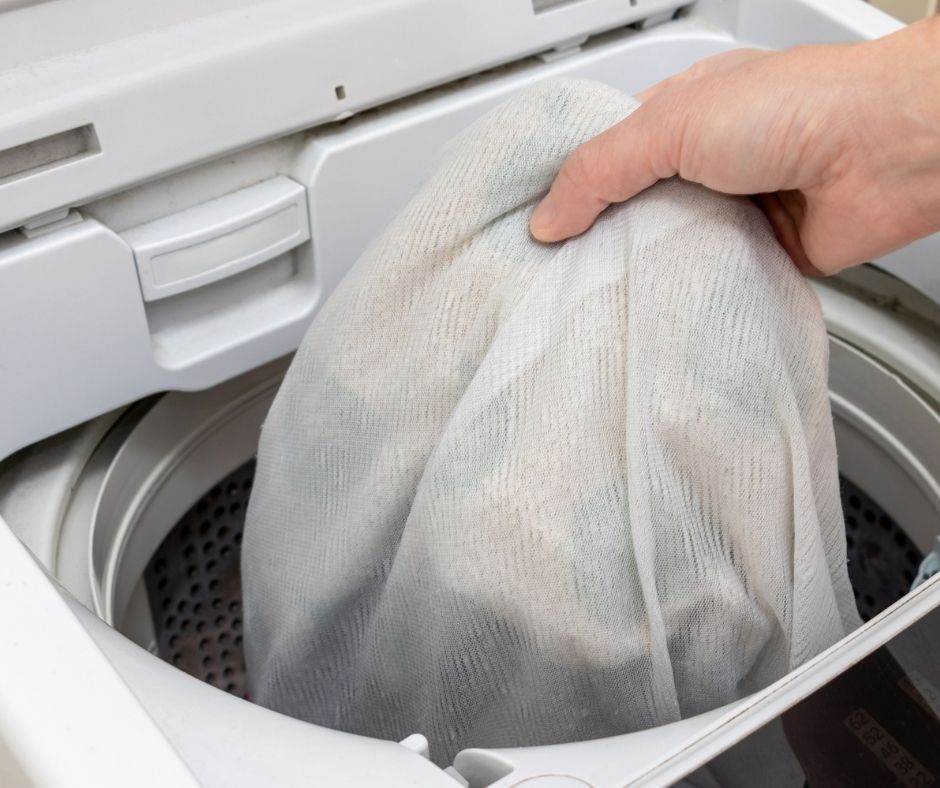
Another detail that often goes unnoticed is the use of protective laundry bags. Although they may seem like a minor thing, in practice they can significantly extend the lifespan of your clothes. They create a physical barrier between items, reduce direct contact, and prevent snagging.
They are especially useful for clothing with multiple elements or for combinations where you’re unsure how materials will interact.
Don’t forget about drying
It’s also important to mention drying, which is often overlooked in the whole process. If clothes make it through washing without damage but are then dried improperly, all that effort can go to waste. Whether using a dryer or air drying, similar rules apply – keep elements fastened, allow enough space, and handle items with care.
Heavier pieces like jackets require special attention to maintain their shape and functionality.
When it makes sense to leave it to professionals
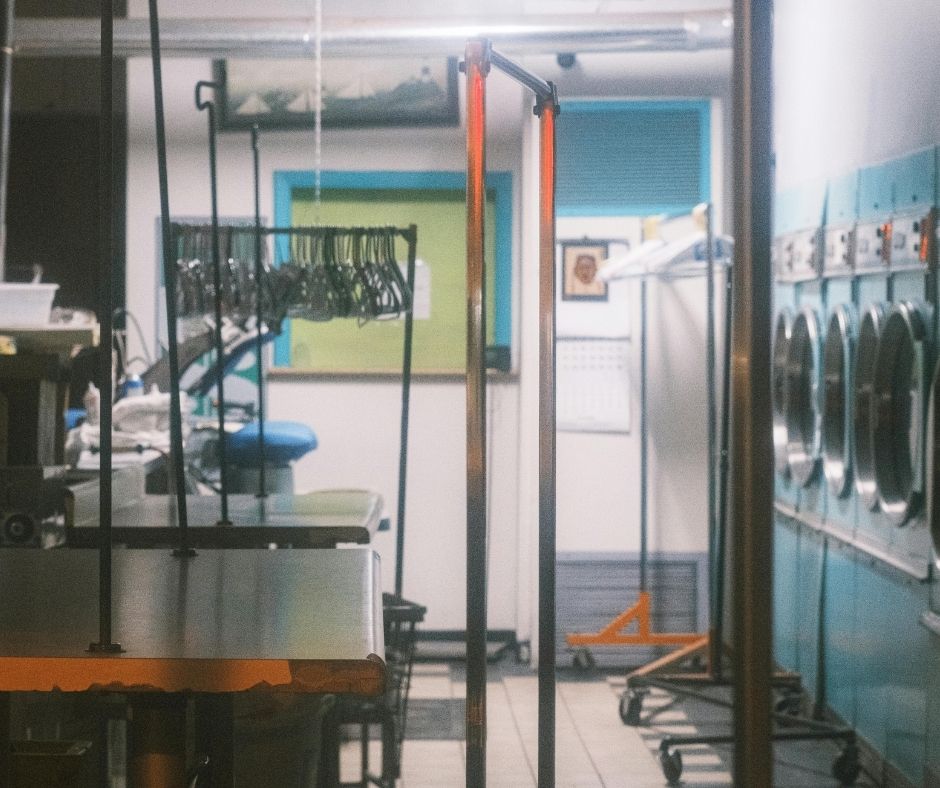
In the end, there are situations where it simply makes more sense to leave things to professionals. This isn’t necessarily due to a lack of knowledge, but rather the limitations of home conditions. Large jackets, workwear, or items with many elements require more space, better control, and more powerful machines.
This is where laundromats like iwash uwash come in, offering conditions tailored to more demanding items.
Once you start paying attention to these details, the difference becomes obvious. Clothes keep their appearance longer, suffer less damage, and don’t need to be replaced as often. In the end, it’s not just about aesthetics, but about smart time and money management.
Because while zippers, buttons, and Velcro may seem like small details – in the world of laundry, they often play the main role.