
Sustainability in fashion is no longer just a trend, but a conscious choice that more and more people are embracing. Eco-friendly materials like organic cotton, Tencel, hemp, bamboo, and recycled fibers are changing the way we think about clothing production and consumption. However, to truly be part of the solution, it’s essential to know how to properly care for such garments.
This guide offers a comprehensive overview of best practices for washing, storing, and caring for garments made from sustainable materials—so they last longer and stay in excellent condition.
Understanding Eco-Friendly Materials
Before diving into care techniques, it’s important to understand the nature of these fabrics. Organic cotton is grown without pesticides and chemicals, making it soft and breathable—ideal for everyday wear. Tencel, also known as lyocell, is derived from wood cellulose and is renowned for its silky smoothness, antibacterial properties, and high biodegradability. Hemp is an extremely durable material that softens over time, while bamboo is light, breathable, and hypoallergenic. Recycled fibers, such as polyester made from reused PET bottles, offer a smart way to make use of existing resources.
Each of these materials has its own unique properties and requires a specific approach to maintenance in order to preserve its natural qualities and longevity.
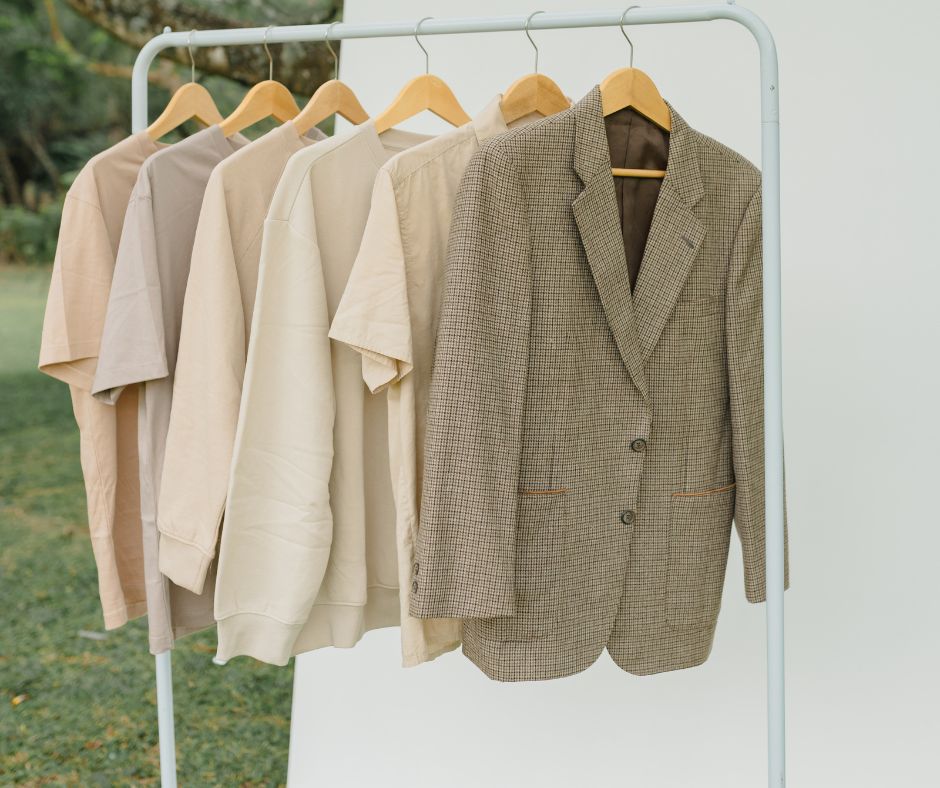
Washing Eco-Friendly Clothing
When it comes to washing, the main principle with natural fibers is gentleness. Warm water can shrink fibers and damage fabric structure. That’s why it’s best to wash at a maximum of 30°C or even colder. It’s also important to use environmentally friendly detergents that are free from harsh ingredients like phosphates and optical brighteners. Plant-based or “eco” labeled detergents are the best option for maintaining garments without harming the environment.
It’s also wise to avoid overwashing—frequent laundry cycles not only consume resources but also wear down the fibers. If a garment isn’t visibly dirty, airing it out may be sufficient. Additionally, washing similar fabrics and colors together helps prevent wear and fading.
Air Drying is Best
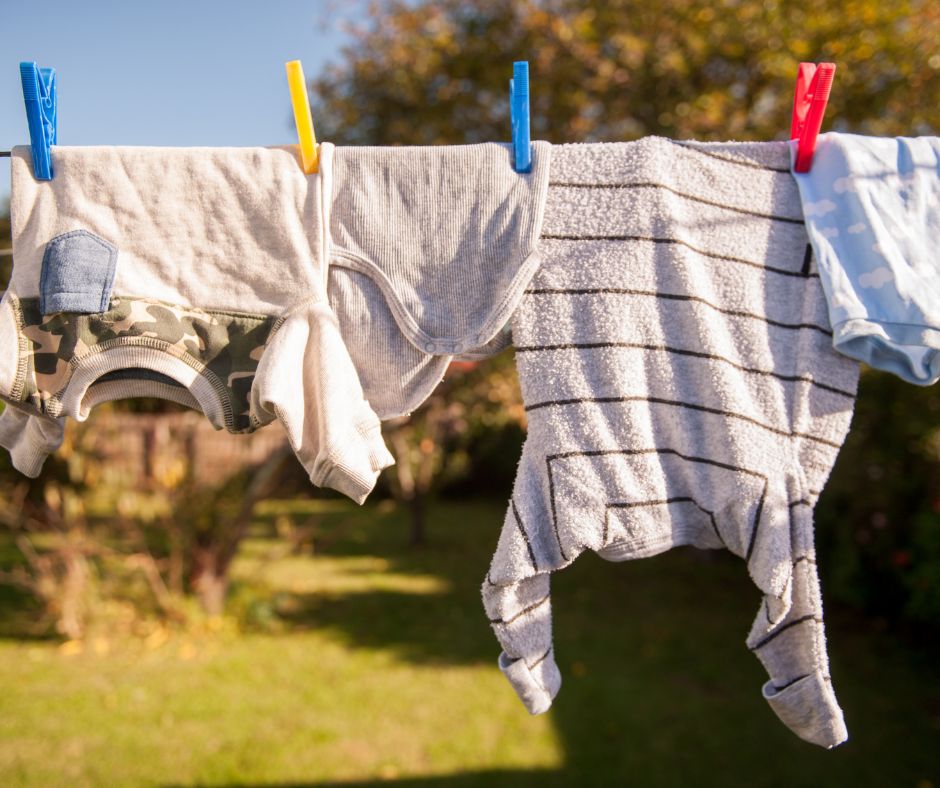
Dryers may be convenient, but they are often harsh on delicate fibers. For sustainable materials, air drying is highly recommended. Delicate fabrics like silk and Tencel should be laid flat on a towel to dry, which prevents stretching and distortion. Sunlight can fade natural dyes, so it’s ideal to dry garments in the shade. Also, hangers can deform the shape of certain fabrics, so flat drying remains the best method.
Ironing and Freshening Up Without Damage
Most sustainable fabrics are not prone to wrinkling, but ironing may occasionally be needed. The key is to use low temperatures and a careful approach. When using an iron, it’s best to iron from the inside or place a cloth between the iron and the fabric. For delicate fibers, steam is a great way to smooth out wrinkles without direct heat. To refresh garments between wears, use a spray bottle with water and a few drops of essential oil, or opt for a handheld steamer to neutralize odors gently.
Storing and Protecting Your Clothing
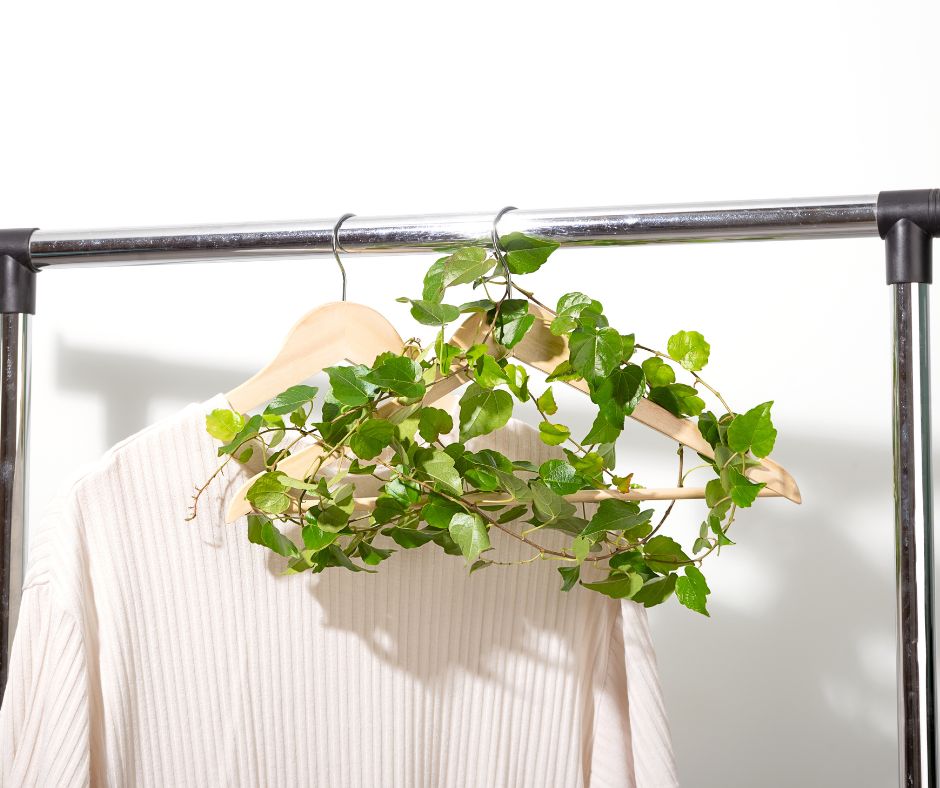
Delicate clothing requires thoughtful storage to preserve it during off-seasons. Moisture and pests—especially moths—should be avoided. Clothing should be stored in a dry, well-ventilated space, ideally in bags made from natural materials like cotton or linen. Instead of chemical repellents, use natural protection such as lavender sachets, cedarwood, or cloves, which deter moths while leaving a pleasant scent. Regularly airing out wardrobes helps maintain freshness as well.
Extending Life Through Repair and Upcycling
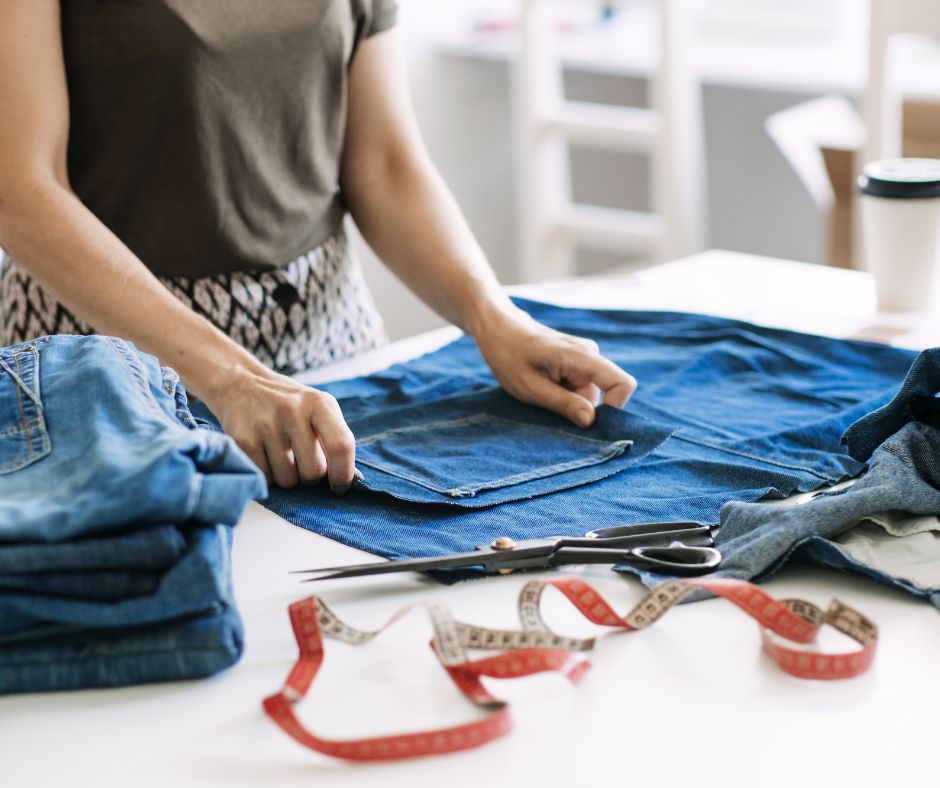
Sustainability goes beyond washing and storing—it’s also about what you do when clothes are no longer perfect. Rather than discarding an item with a small hole or tear, simple home repairs can significantly extend its life. Learning basic sewing techniques, using patches from similar fabrics, or transforming old garments into bags, cleaning cloths, or accessories contributes to a circular mindset in fashion. Every garment that stays in use longer reduces the need for new production and lowers waste.
Professional Help for Delicate Pieces
If you’re unsure how to treat certain materials, or you simply don’t have the time for proper care, a professional cleaning service can be a smart solution. At iWash uWash Primošten, we use specialized programs and products designed to protect natural and recycled fibers. Our service avoids harsh chemicals, instead relying on eco-friendly methods that are safe for both your clothing and the environment.
Caring for clothing doesn’t end with the purchase. With thoughtful washing, careful drying, and responsible storage, we help preserve the quality and longevity of our garments while making a positive impact on the planet. Sustainable fashion starts with small actions everyone can take—and proper care of eco-friendly materials is one of them.
If you’d like expert help caring for your delicate clothing, visit us at iWash uWash. We’ll be happy to take care of your garments—with attention, expertise, and a deep respect for sustainable fashion.