
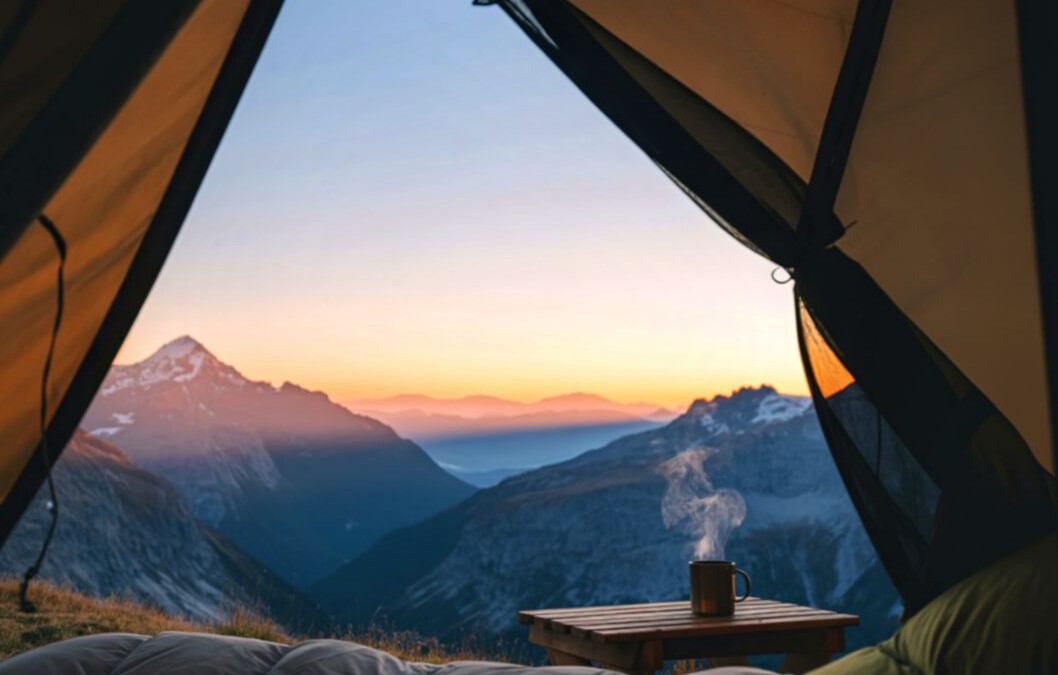
There is a special feeling when you return from hiking, camping, or a weekend in nature. Your gear has done its job, the weather may not have been kind to you, but you come home full of impressions. Still, once the adventure is over, there comes the part most people postpone – cleaning and maintaining outdoor gear.
Many outdoor items today are not cheap. A quality waterproof jacket, a good sleeping bag, or a reliable tent often represents a serious investment, so it is no surprise that people want them to last for years. The problem appears when that gear is washed the wrong way. That is exactly when materials start losing their properties, water resistance weakens, insulation becomes deformed, and the gear no longer provides what you bought it for.
In iWash uWash laundromats, we often meet people who are not sure how to properly wash their outdoor gear. Some are afraid they will ruin their jacket, others do not know whether a sleeping bag can go in the dryer, and some try to “freshen up” a tent with regular washing, which often does more harm than good.
The truth is that outdoor gear requires a slightly different approach – but once you understand the basics, maintenance becomes much simpler.
Outdoor gear is not ordinary clothing
The first thing to understand is that outdoor gear is not made from classic materials. Most jackets, sleeping bags, and tents use technical fabrics with special functions – repelling water, retaining warmth, breathability, or resistance to moisture.
At home, we often have the habit of washing everything the same way: standard detergent, standard cycle, and high spin speed. That is exactly where problems begin.
Technical materials do not react well to aggressive detergents, fabric softeners, or temperatures that are too high. What would not bother an ordinary cotton T-shirt can seriously reduce the functionality of outdoor gear.
That is why the most important thing is to approach each piece of equipment individually.
Jackets – the biggest mistake is over-washing
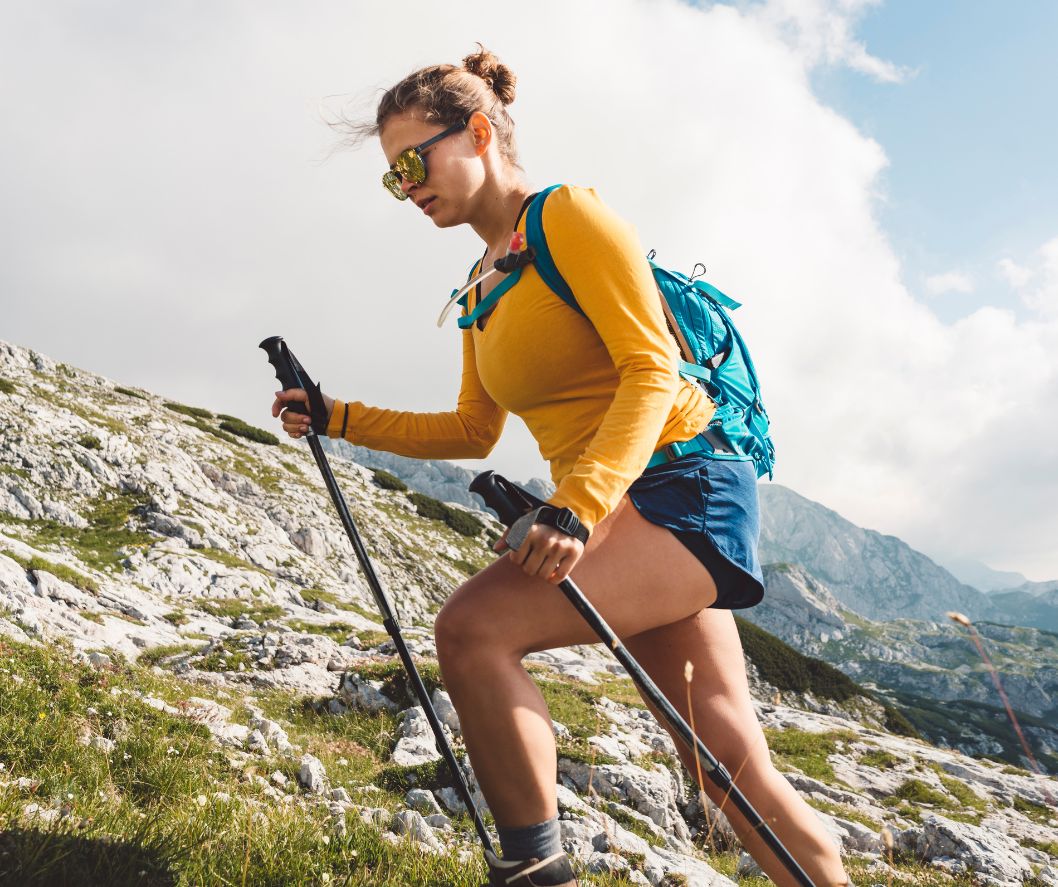
Waterproof and outdoor jackets often seem robust, but they are actually very sensitive when it comes to maintenance. Many people think they should be washed often to keep them looking clean, but with technical jackets, the opposite is true.
Washing too often can gradually weaken the protective layers and reduce water repellency. On the other hand, avoiding washing completely is not good either, because dirt, sweat, and body oils can clog the membrane over time and reduce breathability.
The key is balance.
When a jacket really needs washing, it is important to first close all zippers and Velcro straps and turn it inside out. This reduces friction during washing and protects the outer layers of the material.
Another thing many people get wrong is using regular fabric softener. Although fabric softener leaves a feeling of softness, with outdoor jackets it can destroy the material’s ability to “breathe.” That is why it is better to use mild detergents or products intended for technical clothing.
Why a jacket no longer “repels” water after a while
This is a question that comes up very often. People notice that water no longer rolls off the jacket like before and immediately think the jacket is ruined.
In reality, most often the outer water-repellent layer has weakened due to use and washing. That does not mean the jacket is ready to be thrown away. Many outdoor jackets can regain their water-repellent properties by using special waterproofing products.
It is important to understand that washing and waterproofing go together. A clean jacket accepts the renewal of the protective layer much better than a dirty one.
Sleeping bags – more delicate than they look
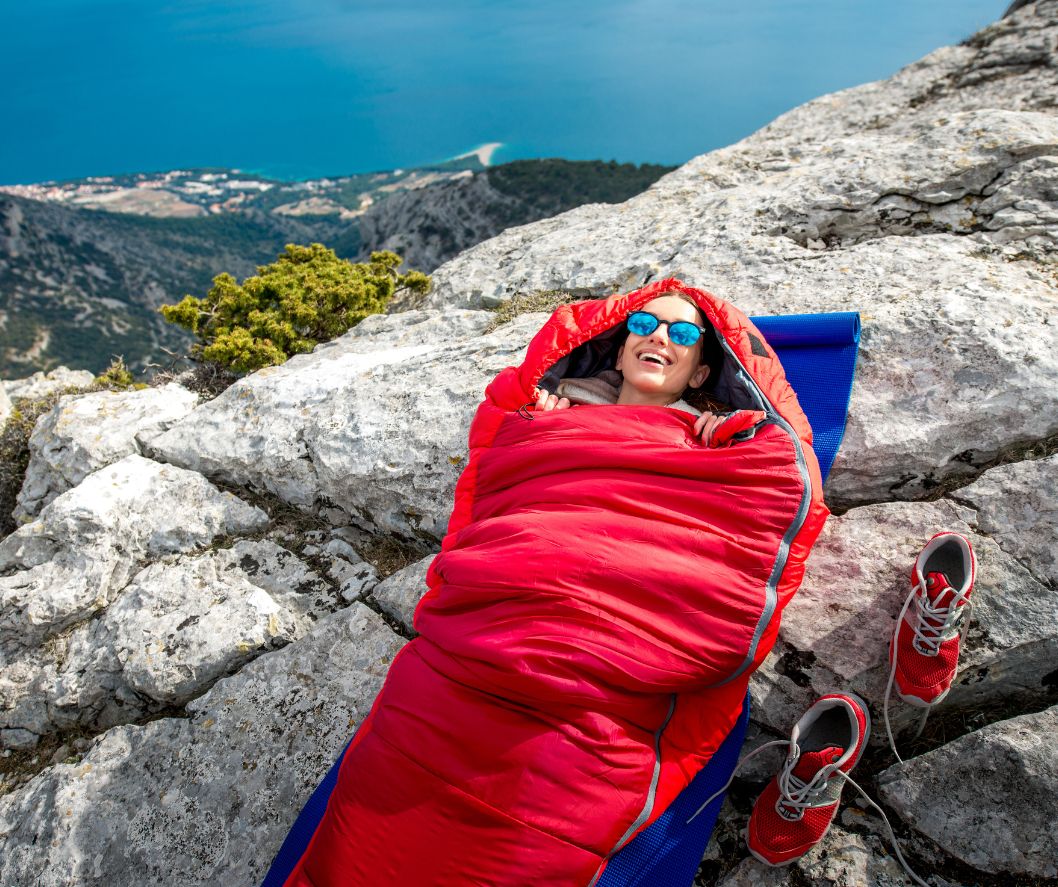
When people wash a sleeping bag for the first time, they are often surprised by how much space it takes up and how much care it requires. Whether it has synthetic or down insulation, the biggest problem occurs when the filling is washed or dried improperly.
If the drum is too small, the filling does not have enough space to move evenly. The result can be clumped sections and uneven heat distribution. That is why larger machines, like those used in professional laundromats such as iWash uWash, are a much safer choice for this kind of gear.
With down sleeping bags, patience during drying is especially important. Many people think the bag is dry when the surface feels dry, but the inside can still be holding moisture. If such a sleeping bag is stored away, an unpleasant smell or even mold can appear very quickly.
That is why drying needs to be thorough and gradual.
Tents – the gear people most often maintain incorrectly
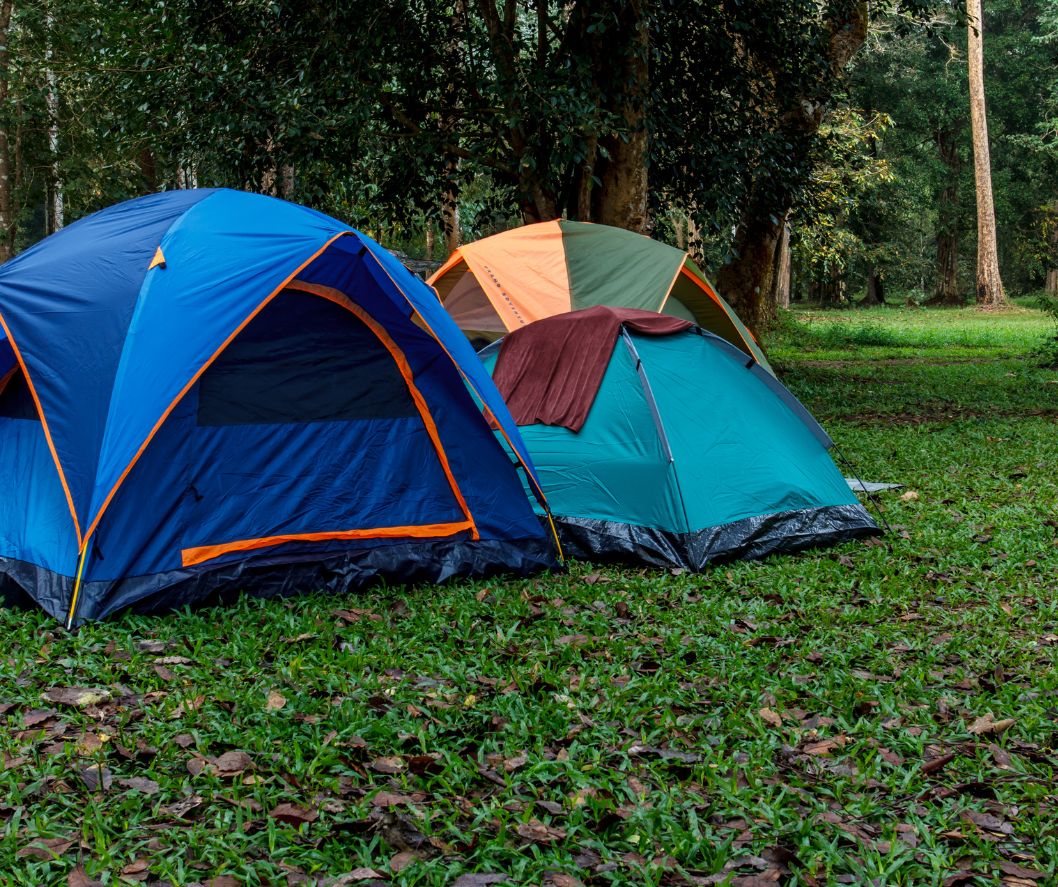
Tents may be the best example of how specific outdoor gear really is. After camping, many people simply store them away as soon as they get home, especially if they are tired after the trip. The problem is that moisture and dirt then remain “trapped” in the material.
The result is unpleasant smells, stains, and even damage to the coating.
With tents, the most important thing is that they are completely dry before storage. Even a small amount of moisture can create long-term problems. Washing should also be gentle – aggressive scrubbing or strong detergents can weaken the protective layers and shorten the lifespan of the material.
It is interesting how many people try to wash a tent like ordinary fabric, even though it is a material designed for completely different conditions.
Odors are often a sign of improper maintenance
One of the most common reasons people wash outdoor gear is not stains, but odors. Jackets, sleeping bags, and tents easily absorb moisture, smoke, sweat, and smells from the environment.
But the problem is not only in washing – it is often also in how the gear is stored. If equipment is stored while it is not completely dry, or if it sits closed for a long time without ventilation, unpleasant odors are almost inevitable.
That is why good ventilation is just as important as washing itself.
Outdoor gear needs space
There is a reason why professional laundromats use large drums for washing bulky items. Outdoor gear needs space so it can be washed and rinsed properly.
With home washing machines, the problem often happens when people try to “squeeze” a jacket, sleeping bag, or tent into a drum that is too small. When the gear does not have enough room to move, friction becomes stronger, rinsing is weaker, and the results are poorer.
That is exactly why many people feel that their gear is “not the same” after washing it at home.
Drying is just as important as washing
Many people think the most important part is the washing process, but with outdoor gear, drying is often even more important. Improper drying can ruin even perfectly washed gear.
A temperature that is too high can damage membranes and protective layers, while drying too briefly leaves moisture inside the material. With sleeping bags and thicker jackets, this leftover moisture is usually what causes the biggest problems.
Outdoor gear requires patience. Sometimes it is better to dry longer and more gently than to try to speed up the process.
When a professional laundromat is the best choice
There are situations where home conditions simply are not enough. Large sleeping bags, technical jackets, or tents often require more space, better programs, and more careful handling than a standard home washing machine can provide.
In laundromats like iWash uWash, people usually come for exactly that reason – they want to wash their gear safely without worrying they will ruin it.
And that makes sense. Once you have invested in quality outdoor gear, proper maintenance is actually the best way to protect it long-term.
Good gear lasts as long as it is well maintained
Outdoor gear is made to withstand rain, cold, mud, and demanding conditions, but even the best materials have their limits. The way you wash, dry, and store your gear often determines how long it will keep its properties.
The good news is that proper maintenance is not complicated. It only takes a little more attention, a little less rushing, and an understanding that outdoor gear needs a different treatment than ordinary clothing.
And when you take proper care of it, it will return the favor – through years of new trips, camping weekends, and adventures without unpleasant surprises.