
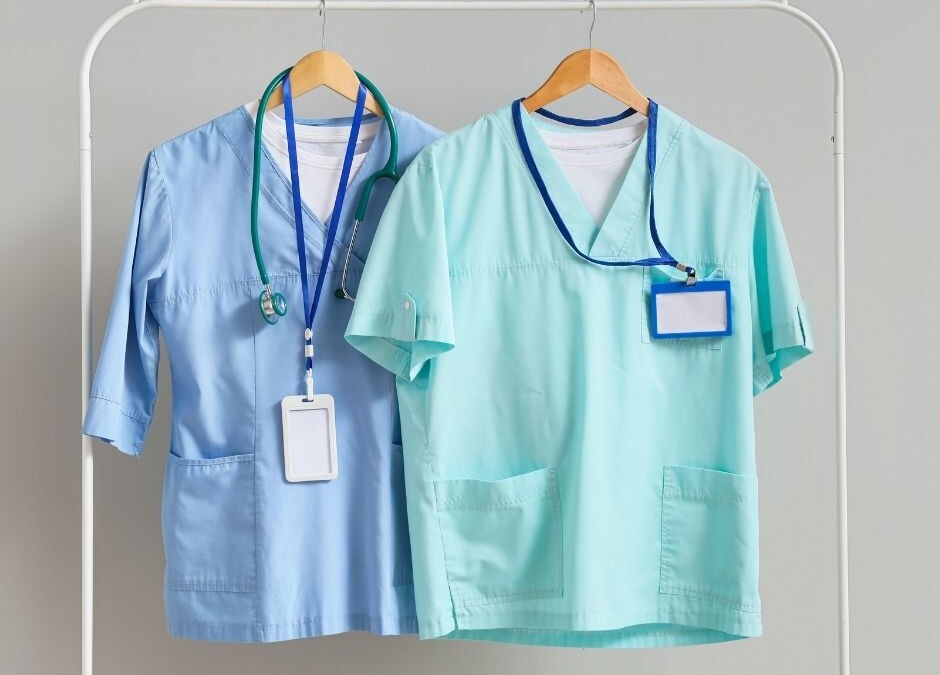
In today’s world, hygiene matters more than ever — and that’s reflected in how we choose our clothes. Antibacterial clothing is becoming increasingly popular, not just among athletes and healthcare workers, but also for everyday wear. These garments are designed to resist bacterial growth, reduce unpleasant odors, and stay fresher, longer. However, just like any technical fabric, they require special care during washing and storage to preserve their functional benefits.
This guide will walk you through everything you need to know about cleaning and maintaining antibacterial garments — how they work, why proper care matters, and exactly what to do (and avoid) when laundering them.
What Makes Antibacterial Clothing Different?
Antibacterial clothing isn’t magically germ‑proof. Instead, it’s treated with a protective layer — often made from substances like silver ions, copper, or specially engineered polymers — that discourages bacterial growth on the fabric surface. These treatments help reduce odors and keep garments fresher for a longer period, especially during extended wear or high‑intensity use.
You’ll commonly find antibacterial properties in:
- Activewear and sports clothing
- Medical and healthcare apparel
- Work uniforms and hospitality textiles
- Travel garments and everyday basics
Even though these clothes may look like regular cotton or polyester on the surface, their inner structure is enhanced to support hygiene and freshness.
Why Proper Washing Matters So Much
Unlike traditional clothing, antibacterial garments carry a built‑in functional layer. That means your usual “wash and dry” routine could actually shorten the life of that layer if you’re not careful. Common laundry habits — like hot water, heavy detergents, fabric softeners, and high heat drying — can break down or wash out the antibacterial treatment over time.
When that happens:
- The clothing may absorb unpleasant odors more quickly
- The antimicrobial benefit diminishes
- You may need to wash the item more often
- The garment may wear out sooner than expected
That’s why learning how to wash these clothes correctly makes a big difference.
How to Wash Antibacterial Clothing (the Right Way)
Separate and Prepare
Start by washing antibacterial garments separate from heavily soiled clothes such as towels, denim, or oily workwear. These heavier fabrics can trap water and create a harsher wash environment.
Choose the Correct Settings
- Set your machine to a gentle or delicate cycle.
- Keep the temperature cool to medium (usually no more than 40°C / 104°F).
- A shorter wash cycle is often all that’s needed.
Skip the Fabric Softener
Fabric softeners may feel good in the moment, but they leave a residue on fibers that blocks the antibacterial layer from doing its job. Over time, this residue builds up and reduces airflow and moisture management — the opposite of what you want.
Instead of softener, a small splash of white vinegar in the rinse cycle can help maintain softness without interfering with the antimicrobial treatment.
Choose the Right Detergent
Use mild, fragrance‑free detergents — especially those formulated for technical or sports fabrics. Enzyme‑heavy detergents may be too harsh and can degrade the antibacterial treatment.
How to Treat Stains Without Compromising Protection
So, what happens when your antibacterial piece gets a stain from sweat, food, or grass? Treat it with care:
Start by blotting (not rubbing!) the stain with cold water. Applying gentle detergent directly to the stain and letting it sit briefly before washing helps lift the mark. Avoid harsh stain removers that contain bleach or enzymes — they may damage the protective layer.
For tougher stains:
- Blot as much of the stain as possible with a clean cloth
- Soak the area in cool water with a little mild detergent
- Gently swish and rinse
- Then proceed with your normal wash cycle at a gentle temperature
Aggressive scrubbing or hot water risks harming the antimicrobial treatment more than the stain itself.
Drying: The Make‑or‑Break Step
Drying is where many people unintentionally undo all their good laundry work. For antibacterial fabric:
- Air drying is the safest method. Spread the garment on a flat surface or hang it in a well‑ventilated, shaded area.
- If you use a dryer, select a low‑heat or tumble‑dry low setting.
High temperatures can weaken the protective layer, shrink the fabric, and shrink its overall elasticity. Your garments will stay fresher and softer for longer if you avoid intense drying heat.
Storing Antibacterial Clothing the Right Way
Once clean and dry, how you store your clothing matters just as much as how you wash it. The goal is to avoid humidity, moisture, and tight storage that can trap odors.
Here’s how to store with care:
✔ Ensure clothes are completely dry before storing
✔ Use breathable storage bags (cotton or mesh), not plastic
✔ Keep in a dark, dry closet away from dampness
✔ Avoid compressing clothes too tightly — let them “breathe”
Proper storage protects both the fabric and its functional treatment from degradation
How Often Should You Wash Antibacterial Clothing?
Because these garments fight odors and bacteria, many people aren’t sure when to wash them. Here’s a practical rule of thumb:
- Daily wear or heavy activity: after every use
- Light or office wear: every 2–3 wears
- Outdoor or very sweaty use: after each use
The cleaner the garment stays without washing, the longer the antibacterial properties last.
When Professional Care Makes Sense
Certain antibacterial garments deserve extra attention:
- High‑end or designer pieces
- Very delicate fabrics
- Strong body‑odor build‑up
- Persistent stains that don’t go away with gentle treatment
This is where professional laundry experts shine. At iWash uWash, we offer specialized care:
✔ Controlled temperatures for delicate laundry
✔ Fabric‑safe detergents that preserve functionality
✔ Deep, thorough cleaning without compromise
✔ Pick‑up and delivery options for convenience
Professional treatment can make the difference between a garment that lasts and one that loses its performance prematurely.
Antibacterial clothing doesn’t need to be treated like ordinary laundry. It’s a functional garment with a purpose — and it deserves thoughtful care. With the right wash routine, drying method, and storage strategy, you’ll enjoy:
✔ Longer‑lasting performance
✔ Better odor control
✔ Reduced need for frequent washing
✔ More comfortable and fresher‑feeling clothes
These small steps protect your investment and help you make the most of the advanced technology built into your wardrobe.
If caring for these garments ever feels overwhelming, we’re here to help. iWash uWash provides gentle, effective, and professional care — even offering pick‑up from your address and return when clean and ready to wear.
Love your fabrics — and they’ll love you back.