
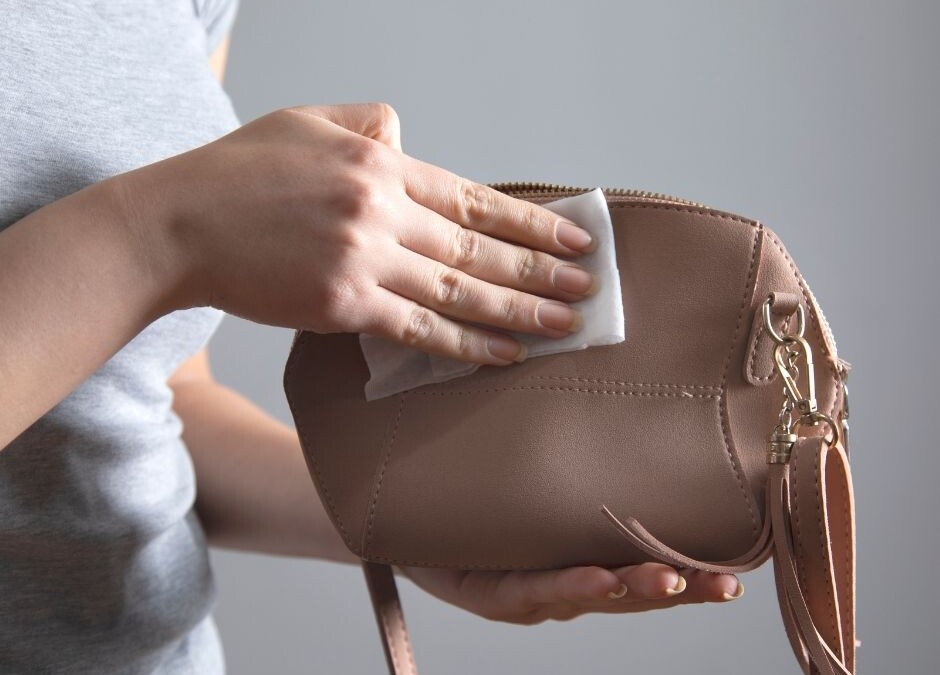
Leather — whether real or synthetic — is a beloved material for jackets, bags, shoes, and other fashion staples. Although it often appears durable and low-maintenance, proper care is essential to preserve its look and longevity. In this guide, we’ll explore the key differences between genuine and faux leather, their respective advantages and drawbacks, and offer practical advice for cleaning, protecting, and storing your leather items.
Understanding the Materials: Genuine Leather vs Faux Leather
Genuine Leather
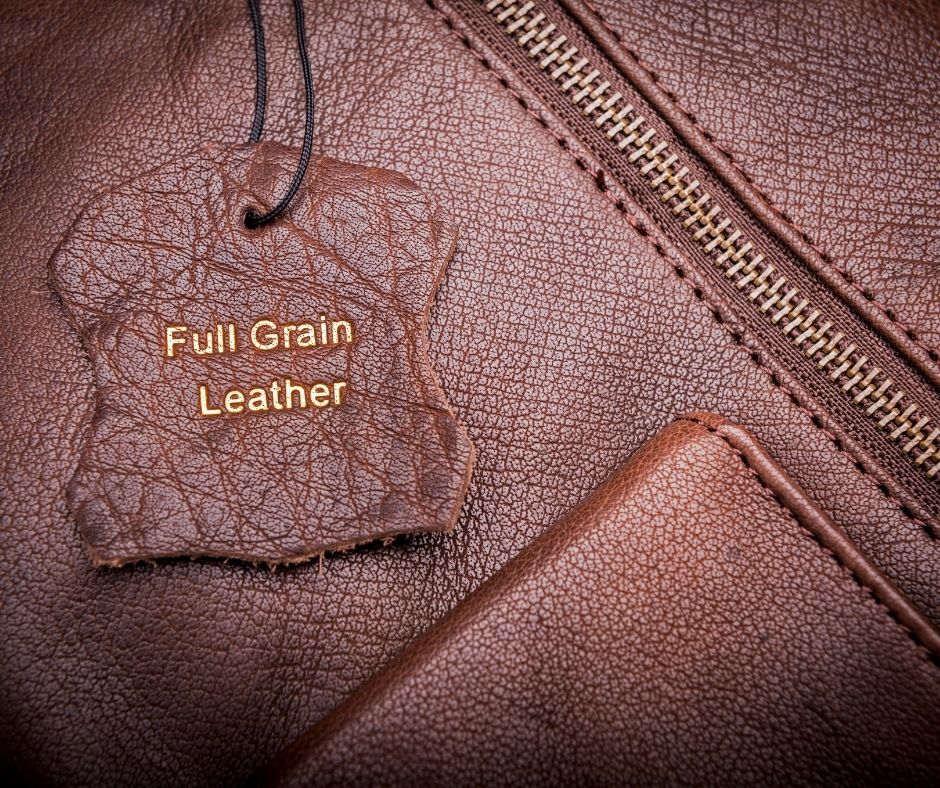
Made from animal hides (typically cow, sheep, or goat), genuine leather is categorized by quality — from full-grain and top-grain to aniline and pigmented types.
Pros:
- Extremely durable with strong mechanical resistance
- Develops a unique patina over time, increasing its aesthetic value
- Breathable and adapts to the body over time for greater comfort
Cons:
- Requires consistent care: cleaning, conditioning, and protection
- Sensitive to excess moisture, sunlight, and harsh chemicals
- Generally more expensive, making proper maintenance a smart investment
Faux Leather (Vegan Leather)
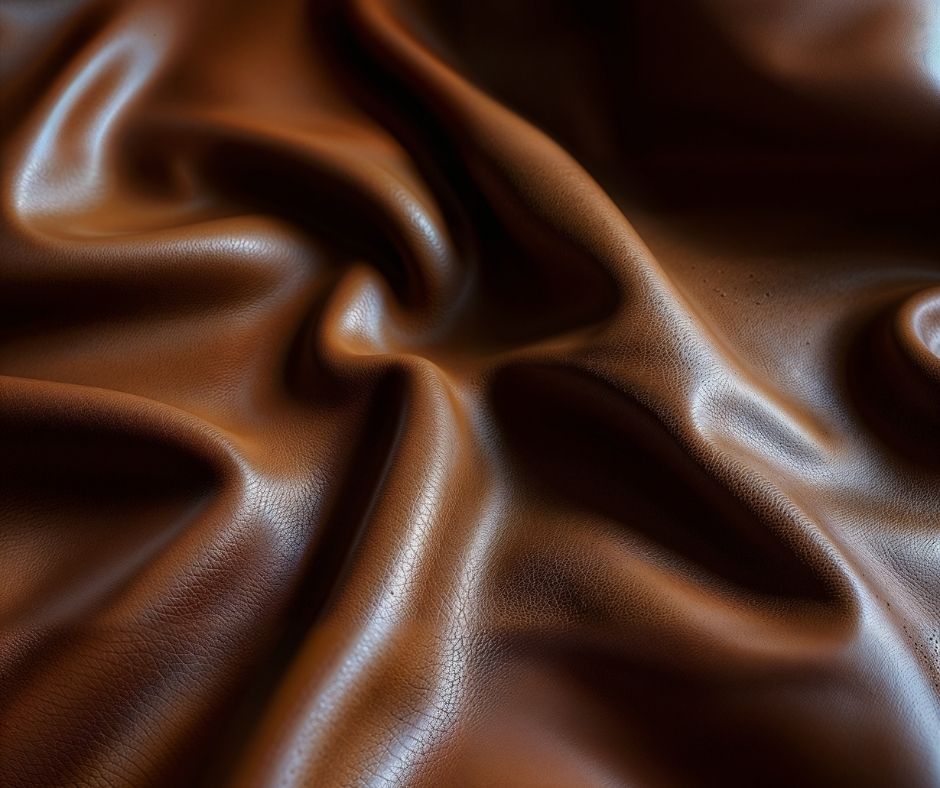
Usually made from polyurethane (PU) or polyvinyl chloride (PVC), faux leather is applied to a fabric base to mimic the appearance of real leather.
Pros:
- More affordable and easier to maintain
- Available in a wider range of colors and finishes
- Naturally vegan — ideal for those avoiding animal products
Cons:
- Less durable — prone to cracking, peeling, and fading over time
- Lacks breathability, which may feel less comfortable to wear
- More susceptible to visible wear under extreme use
Why Proper Leather Care Matters
Whether your piece is made from high-quality full-grain leather or synthetic alternatives, good care can significantly extend its life and appearance. Here’s why it matters:
- Neglected real leather can dry out, crack, or lose shape.
- Unmaintained faux leather may peel or lose its realistic texture.
- Well-maintained items last longer, reducing waste and replacement costs.
- Clean, fresh leather pieces enhance your overall presentation — professionally and socially.
Caring for Genuine Leather: Step-by-Step Tips
- Cleaning
- Wipe the surface regularly with a soft microfiber cloth to remove dust and dirt.
- For deeper cleaning, use a leather-specific cleaner — avoid harsh soaps or washing detergents.
- If the leather gets wet (rain or snow), pat it dry and let it air-dry naturally. Avoid placing it near direct heat sources like radiators, which can dry out and crack the material.
- Conditioning and Protection
- Leather naturally loses its oils over time. Apply a leather conditioner or balm every few months to keep it soft and supple.
- Consider applying a water-resistant spray or protective coating, especially for items exposed to water, mud, or salt (like winter jackets).
- Avoid strong chemicals, bleach, and abrasive brushes — they can strip the leather’s protective layer or fade the color.
- Drying and Storing
- Store in a cool, dry place with good air circulation.
- Avoid plastic covers — use fabric garment bags that allow the material to breathe.
- Hang jackets on wide, padded or wooden hangers to maintain their shape.
- Always clean and dry items thoroughly before storing — residual dirt or moisture can lead to long-term damage.
Tip: Leather exposed to sunlight and humidity ages faster and loses shine — always store away from direct light and damp areas.
Caring for Faux Leather: Step-by-Step Tips
- Cleaning
- Use a soft cloth and mild soapy water — no need for harsh chemicals.
- For stains: dampen the area, apply a small amount of mild detergent, gently scrub with a soft brush or cloth, rinse, and air dry.
- Avoid using alcohol, acetone, or bleach-based cleaners — these can strip the finish or cause cracking.
- Drying and Protection
- Always air-dry. Avoid tumble dryers and high heat which may warp or crack the material.
- Store in a dry, cool, and dark space — do not fold or stack under heavy weight as faux leather may retain creases.
- Occasionally turn bags or jackets inside out to clean inner linings — this prevents odors and moisture buildup.
- Considerations
- Faux leather doesn’t absorb liquids like real leather, making stain removal easier.
- However, it’s more prone to cracking and peeling over time, especially with lower-quality materials or heavy use.
- While considered low-maintenance, good care still makes a noticeable difference in longevity and appearance.
When to Seek Professional Help
Although many cleaning tasks can be handled at home, some situations call for expert care:
- Stubborn stains, cracking, or deep cleaning needs
- Peeling or delamination of faux leather
- Luxury items (designer bags, expensive jackets) that need professional attention
- After exposure to salt, chemicals, or excessive moisture
- If you want quality cleaning with pickup and delivery — iWash uWash offers leather treatment services that include washing, conditioning, and protective finishes.
Insider Tips for Leather Longevity
- Inspect regularly: Touch and feel the surface — dryness or stiffness may signal time for conditioning.
- Avoid friction and sharp edges: Especially on faux leather, where corners and seams wear out first.
- Clean hardware: Wipe down metal zippers or chains to prevent rust or staining.
- Don’t store leather in garages or basements: These areas are often damp and promote mold.
- Always clean before storage: Any leftover grime or sweat can degrade the material over time.
Caring for leather — whether genuine or faux — is not just a chore, it’s a commitment to preserving value and extending the life of your favorite items. Real leather rewards care with character and beauty. Faux leather rewards maintenance with longer usability and style. When you know the difference, you’re empowered to choose smarter — and through a few small actions, you can make a big impact. Choose wisely. Choose care.